Why Did Marshall Fail to Win Full Self-Government?
Why Did Marshall Fail to Win Full Self-Government?
In 1955 David Marshall became Singapore's first , leading a Labour Front , and pressed for full internal self-government. He failed. These notes explain the three reasons: little British support, the Hock Lee Bus Riots, and British doubts at the First in London in 1956, which led to his resignation.
Who Was David Marshall?
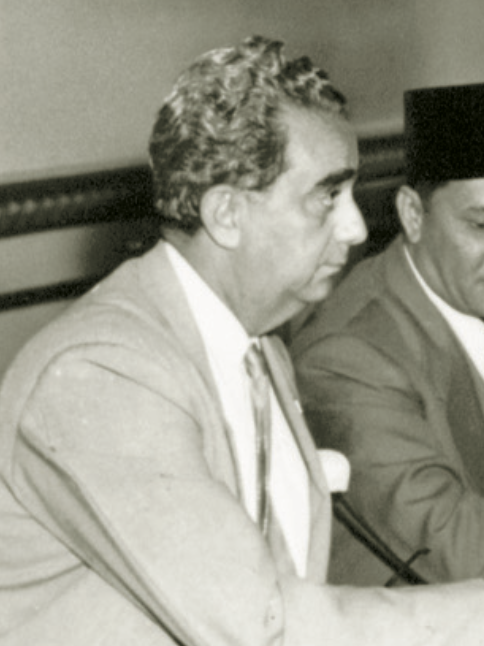
- Background: born in Singapore in 1908 to a Jewish family from Baghdad, he served in the local volunteer forces and was held as a prisoner of war.
- Lawyer and politician: he became a successful lawyer after 1946 and led the Labour Front.
- Chief Minister: in 1955 the LF lacked a majority, so Marshall governed through a coalition with other parties.
Why Did Marshall Fail to Win Full Self-Government?
Reason 1: Little British Support
- PPointMarshall failed partly because the British gave him little support.
- EEvidenceThe Governor and his officials regarded Marshall as a leader in name only and were reluctant to work with a party committed to ending colonial rule. At first, he was not even given an office, and demanded a table and chair under an apple tree.
- EElaborationWithout the cooperation of the officials who held real power, Marshall struggled to exercise his authority or deliver results, which undermined his ability to prove that locals could govern effectively.
- LLinkHence, the lack of British support weakened Marshall's case for full internal self-government.
Reason 2: The Hock Lee Bus Riots
- PPointMarshall failed partly because the Hock Lee Bus Riots made his government appear weak.
- EEvidenceStriking workers of the Hock Lee Bus Company, in a union led by Fong Swee Suan, were joined by more than 10,000 Chinese-medium students. On 12 May 1955 violence broke out, leaving four dead and 31 injured. Marshall refused to call in British troops, and historians suggest the communists were testing his resolve.
- EElaborationMarshall did not want to appear to side with the British, but his reluctance to use force convinced them that his government was too ready to negotiate and could not maintain law and order.
- LLinkThus, the riots damaged British confidence in Marshall's ability to govern.
Reason 3: British Doubts at the Talks
- PPointMarshall failed because the British doubted that his government could maintain order and resist communism.
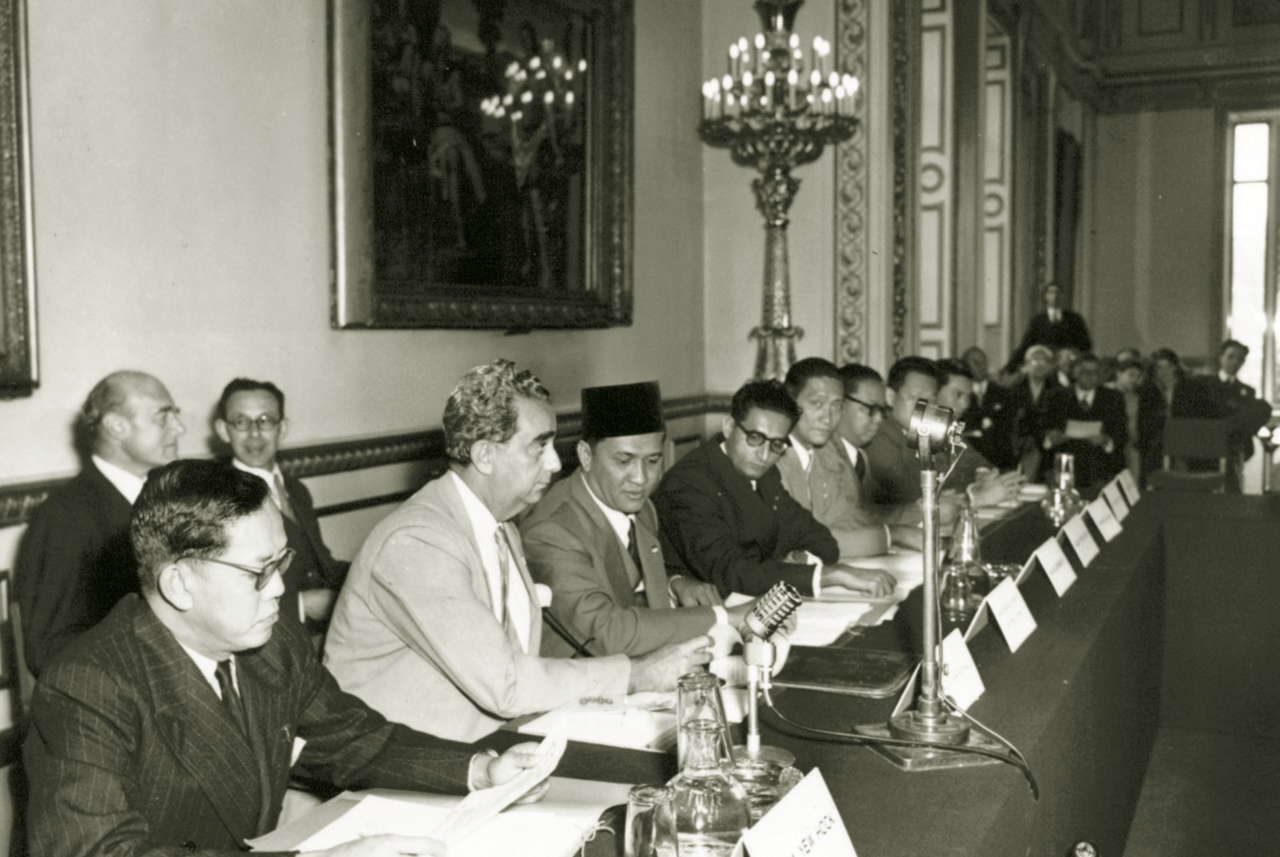
- EEvidenceIn April 1956 Marshall led an all-party to the First Merdeka Talks in London, demanding full internal self-government by 1957 and pledging to resign if he failed. The British refused to hand over control of internal security.
- EElaborationAfter Hock Lee, the British feared that if they gave up internal security, Marshall's government would be unable to contain the communist threat, so they would not grant the powers he demanded.
- LLinkTherefore, British doubts caused the talks to fail, and Marshall resigned in June 1956, with Lim Yew Hock taking over.
The Aftermath
- The strike settled: on 14 May 1955 the government brokered an agreement, and the sacked workers were reinstated.
- Continuing unrest: many union members still distrusted the government and kept organising rallies and protests.
- A principled exit: Marshall kept his pledge and resigned on 7 June 1956, a setback for Singapore's hopes of self-government.
- The lesson: his failure exposed the limits of British willingness to grant self-government while security was in doubt.
In One Sentence
- Marshall failed to win full internal self-government because the British gave him little support, the Hock Lee Bus Riots made his government appear weak, and the British doubted it could maintain order at the 1956 Merdeka Talks.
Think About It
- Marshall refused to call in British troops during the riots. Was that a brave choice or a mistake? Think about how locals and the British might each have seen it.
- Why might the British have been reluctant to help a Chief Minister who wanted to end their rule?
- Marshall promised to resign if the talks failed, and he kept his word. What does that tell you about him as a leader?