Why Did So Few People Vote in 1948?
Why Did So Few People Vote in 1948?
In 1948 the British held Singapore's first , a limited concession to growing demands for a say in government. Yet of about 960,000 residents, only about 14,000 voted. These notes explain how elections work, why only six seats were contested, why turnout was so low, and why the result left the British firmly in control.
How an Election Works
- People who share ideas on how a country should be run form a ; some candidates stand alone as independents.
- A party can only carry out its ideas by forming the government, alone or with others, so it contests elections.
- Before polling day, parties and candidates campaign to win support for their ideas.
- On polling day, voters choose the candidates whose ideas they most agree with.
- The candidate with the most votes represents that area, and the party with the most winners forms the government.
Six Seats Only
- The Legislative Council: voters elected members to the body that made Singapore's laws.
- Only six: just six members were elected; the rest were officials, the Governor's nominees and three representatives of business groups.
- British control: the six elected members did not form the government, so real power remained with the British.
Why Did So Few People Vote in 1948?
Why Turnout Was So Low
- PPointFew people voted in 1948 because voting rights were restricted and few eligible residents registered.
- EEvidenceOnly people born in Britain or a British colony could vote, which excluded many recent immigrants. About 22,000 people registered and only about 14,000 voted. The Chinese, by far the largest community at about 748,000, produced only about 5,600 registered voters, whereas over 10,000 of the 72,000 Indians registered, nearly half of all voters.
- EElaborationThe franchise rules shut out much of the population, and with only six seats at stake and the British still in control, many who could vote may have seen little reason to do so. As a result, the Chinese majority was barely represented in the outcome.
- LLinkHence, the 1948 election was only a small first step towards democracy, as most people still had no say.
The Winners
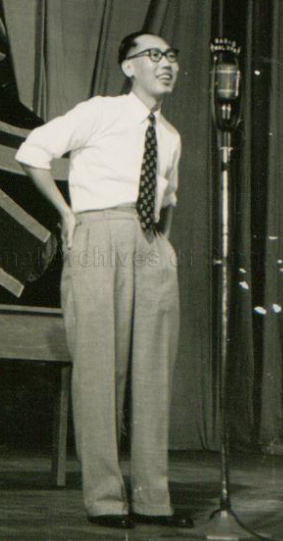
- The only party: the was the first party to contest an election in Singapore.
- Its leaders: Tan Chye Cheng (C. C. Tan), John Laycock and Nazir Ahmad Mallal; most members were English-speaking professionals.
- Its aims: self-government step by step in cooperation with the British, equal treatment for local and European civil servants, and retirement savings for workers.
- The result: the SPP won three of the six seats and independents the other three, but its moderate, pro-British stance had little mass appeal.
In One Sentence
- The 1948 election gave people in Singapore their first vote, but with only six seats, restricted voting rights and very few voters, the British remained firmly in control.
Think About It
- What does the 1948 election tell you about British attitudes towards the locals?
- The Chinese were the biggest community, but only about 5,600 registered to vote. What reasons can you think of for this?
- Was the 1948 election a real step towards democracy, or mostly for show? Use one fact to support your view.