How Did the British Try to Win Back Local Support?
How Did the British Try to Win Back Local Support?
Although people welcomed the end of the war, living conditions improved far more slowly than they had hoped. Overcrowded housing, food shortages and industrial unrest fuelled discontent, so the British set out to win back support by tackling all three. These notes examine each measure and explain why, despite a partial recovery by 1948, the problems were too great to resolve quickly.
Post-War Problems
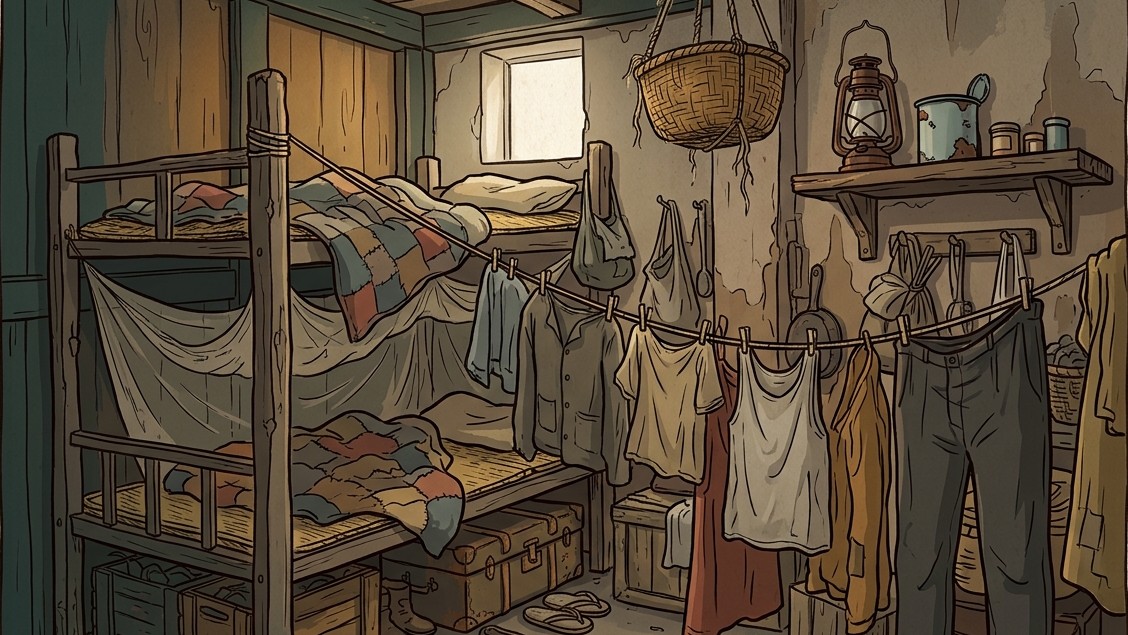
- Dashed hopes: living conditions did not improve as much or as quickly as people had expected.
- The British dilemma: unless these problems were tackled, discontent would turn people further against British rule.
- Overcrowding: in 1946 a newspaper described Chinatown as over-congested, with tiny cubicles that once held one family now shared with another.
How Did the British Try to Win Back Local Support?
Housing
- PPointThe British tried to win support by building more homes, but the housing shortage proved too great to resolve.
- EEvidenceWar damage and a (over 38,000 births in 1946, 58% more than the year before) left many people crowded into . Between 1947 and 1959, the built about 21,000 homes and shops.
- EElaborationThat was only about 1,700 a year, against a need of around 10,000 a year, so overcrowding persisted and many families saw little improvement in their living conditions.
- LLinkHence, British housing efforts did little to win support, as the shortage continued through the 1950s.
Food
- PPointThe British tried to prevent hunger from turning into unrest by providing affordable meals.
- EEvidenceDisrupted shipping and a regional rice shortage meant that wartime rationing continued, many people were malnourished, and wages failed to keep pace with food prices. The British opened , ten by the end of 1946; at the first, in Telok Ayer, 35 cents bought rice, vegetables, meat or fish, and tea.
- EElaborationAffordable meals eased the immediate hardship of the poorest workers and reduced the risk that hunger would fuel protests, but they could not resolve the underlying shortage.
- LLinkThus, the People's Restaurants helped to contain discontent, though they offered only short-term relief.
Industrial Unrest
- PPointThe British tried to curb industrial unrest by tightening their control over .
- EEvidencePoor working conditions and shortages sparked a wave of : 1947, "The Year of Strikes", saw over 300 strikes involving almost 70,000 workers. Suspecting communists of stirring up the unions, the British required all unions to register from 1947 and barred them from using union funds for strikes and protests against the government.
- EElaborationThese measures aimed to restore order by weakening the unions' ability to organise, but because they targeted the protests rather than the workers' grievances, unions remained active and resentment persisted.
- LLinkTherefore, controlling the unions did not win the workers' support, and unrest remained a problem into the 1950s.
Unionists and the Economy
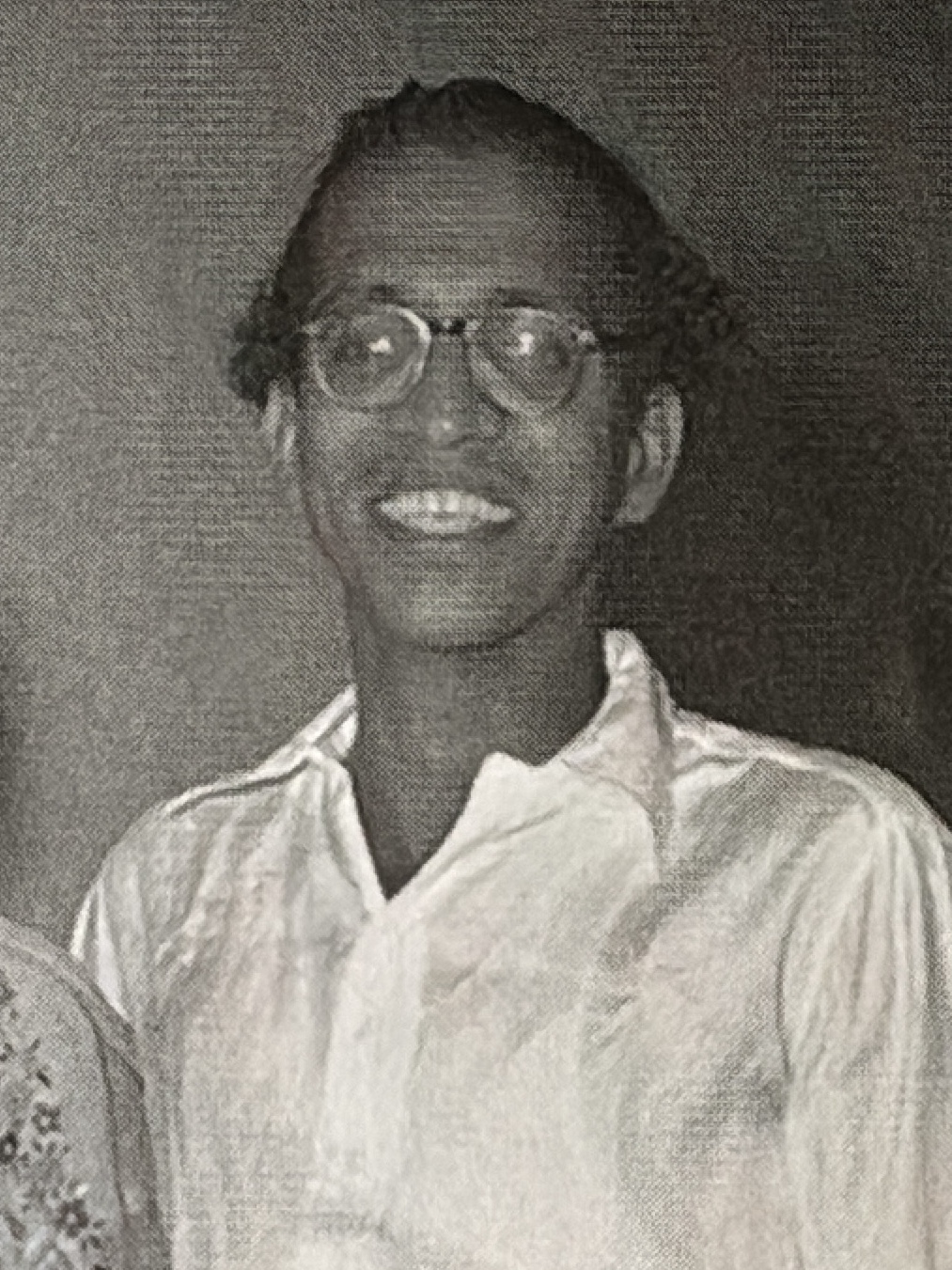
- Union leaders: they included English-educated men such as Devan Nair, Jamit Singh and Sidney Woodhull, who demanded immediate improvements in working conditions.
- Devan Nair: a teacher who championed workers' rights, he was arrested by the British in 1951 for anti-colonial activities and later became Singapore's third President.
- Reviving trade: the British repaired war-damaged ports, and rising demand for tin and rubber lifted trade above pre-war levels.
- Partial recovery: growing trade, tighter control of unions and good harvests in 1948 ended the worst shortages, though housing and labour problems persisted.
In One Sentence
- The British tried to win back support by building homes, opening affordable restaurants and controlling the unions, but housing shortages and unrest persisted into the 1950s.
Think About It
- The SIT built about 1,700 homes a year when about 10,000 were needed. Was that a failure, or the best anyone could do after a war?
- Why might the British have worried that hunger would turn into unrest?
- The British made unions register and stopped them using union money for strikes. Would that make workers more or less likely to support British rule?