Who and What Shaped Singapore's Growth as a Port City, and When?
Who and What Shaped Singapore's Growth as a Port City, and When?
Between 1826 and 1942, Singapore grew from a young British settlement into a busy, wealthy . These notes set out the two forces behind that growth: British rule, which built the port and kept it safe and running, and , events outside Singapore such as the , the tin and rubber booms and the , which decided how much trade came to it. They give the timeline, who ran Singapore, and the chapter question you must answer.
Why it matters
This marked the start of Singapore's development as a British port city. It was now one of three British ports along the Straits of Melaka, run by the East India Company.
Why it matters
This showed that Singapore had become the most important of the three Straits Settlements. As a result, Singapore, not Penang, became the centre of British rule in the region.
Why it matters
This was significant because the China trade was the main reason the East India Company was in the region. As a result, the company took less interest in Singapore.
Why it matters
This showed how British rule improved Singapore's port facilities. As a result, the port could handle more ships as trade grew, which contributed to Singapore's growth as a port city.
Why it matters
This marked a step towards law and order in a fast-growing town. A proper police force made Singapore safer for traders and migrants, which helped the port city grow.
Why it matters
This marked the end of rule by a trading company. Singapore was now run by the India Office in London, although it was still governed through India.
Why it matters
This was significant because, as a Crown Colony, Singapore was now ruled directly by the British government. As a result, it was no longer run through India.
Why it matters
This external development gave ships a shortcut between Europe and Asia, so they no longer had to sail all the way round Africa. As a result, more ships and trade came to Singapore.
Why it matters
This marked the start of British expansion into Malaya. As a result, more Malayan goods, such as tin, flowed out through Singapore, which increased its trade.
Why it matters
This showed British rule taking responsibility for the Chinese community. The Protectorate protected Chinese migrants from secret societies and from people who cheated new arrivals, which made Singapore safer.
Why it matters
This was significant because a busy port brought in disease as well as trade. Checking arrivals helped protect public health in a growing port city.
Why it matters
This showed both factors at work in the same year. British rule made the town healthier, while the external development of Malayan tin created a new tin-smelting industry in Singapore.
Why it matters
This marked a shift in British policy from managing secret societies to banning them. As a result, Singapore became a safer place for traders and migrants.
Why it matters
This was significant because better links to Malaya meant more goods passed through Singapore's port. As a result, Singapore's trade grew.
Why it matters
This enabled rubber trees to be tapped again and again, which made growing rubber worthwhile. It prepared the way for rubber to become one of Singapore's biggest trades.
Why it matters
This external development caused demand for rubber to soar, because cars needed tyres and tyres needed rubber. As a result, Singapore became a major processor and exporter of rubber.
Why it matters
This gave Singapore a direct link to Malaya by road and rail. As a result, goods from Malaya could reach Singapore's port more easily.
Why it matters
This showed that an external development far away could hit Singapore's trade hard. The Great Depression reduced world trade, so countries bought far less from Singapore.
Why it matters
This showed the danger of depending on rubber. As a result, the rubber boom that had helped Singapore grow now turned against it.
Why it matters
This marked the end of Singapore's growth as a British port city in this period. It is where Chapter 3 stops.
Two Forces Behind the Growth
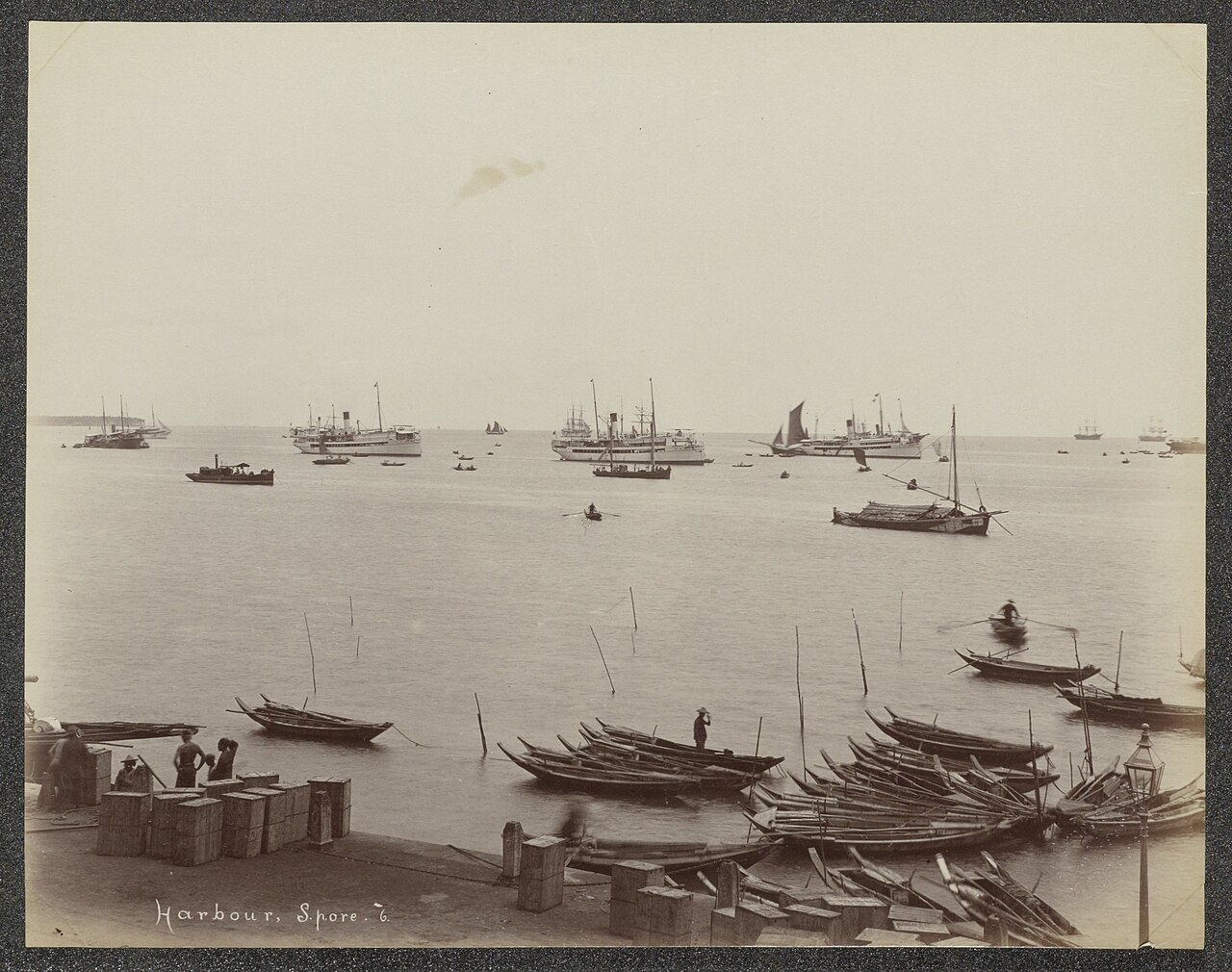
- British rule: port facilities, a police force and new laws made the town safer, healthier and better equipped for trade.
- External developments: events far away, such as the opening of the Suez Canal and America's demand for tin and rubber, brought more ships and trade to Singapore.
- The linkage: the two worked together, because a well-run port only grows if ships come to it, and ships only come if the port can handle them.
Who Ran Singapore?
- 1824–1858: the East India Company (EIC), a British trading company, controlled Singapore.
- 1858–1867: the India Office in London took over after the EIC was dissolved.
- From 1867: the Colonial Office in London took charge, and Singapore became a Crown Colony, ruled directly by the British government; this brought nearly 75 years of stable rule.
Six Ways British Rule Shaped Growth
- Free port status: no taxes on goods drew traders to Singapore.
- Administrative changes: Crown Colony rule from 1867 gave stable government.
- Law and order: police reform and new laws made the town safe for trade.
- Education: English schools trained the clerks the colony needed.
- Healthcare: public health measures tried to cut disease and deaths.
- Port facilities: new harbours, docks and links to Malaya let the port handle more trade.
The Chapter's Question
- How did British rule and external developments affect Singapore's growth as a port city from 1819 to 1942?
- Sorting the evidence: as you go through the chapter, sort each change into British rule or external developments, and note whether it helped or held back growth.
- Making a judgement: decide which mattered more, and explain how the two were linked.
In One Sentence
- From 1826 to 1942, British rule built and protected Singapore's port, while external developments largely decided how much trade came to it, mostly helping but, in the Great Depression, holding it back.
Think About It
- Singapore was run by a trading company, then from India, then from London. Why might it matter who is in charge of a colony?
- The Suez Canal is thousands of kilometres from Singapore. How could it change life here?
- If you had to pick one event on the timeline that helped Singapore's trade the most, which would it be, and why?