How Did Singapore's Port Facilities Grow to Keep Up with Its Trade, and Why Did the British Bother?
How Did Singapore's Port Facilities Grow to Keep Up with Its Trade, and Why Did the British Bother?
Better port facilities were a key way British rule helped Singapore grow. These notes explain three reasons why the British improved the port: growing trade crowded the , needed deep water and coal, and the world wanted more tin and rubber. As a result they built the in 1852, set up the in 1913, and linked the port to Malaya by railway and, in 1924, by the , making Singapore one of Asia's busiest ports.
From Old Harbour to New Harbour
- Old Harbour: on the Singapore River, at today's Boat Quay. By the 1850s it was overcrowded, with no space on the banks for more warehouses for goods and coal, or to repair ships.
- New Harbour (1852): built in the strait between Singapore and two small islands, Pulau Brani and Pulau Blakang Mati (today's Sentosa). It was renamed in 1900.
- Why there: the water was deep, so steamships and sailing ships could sail right up to it, and the two islands sheltered it from strong winds and big waves.
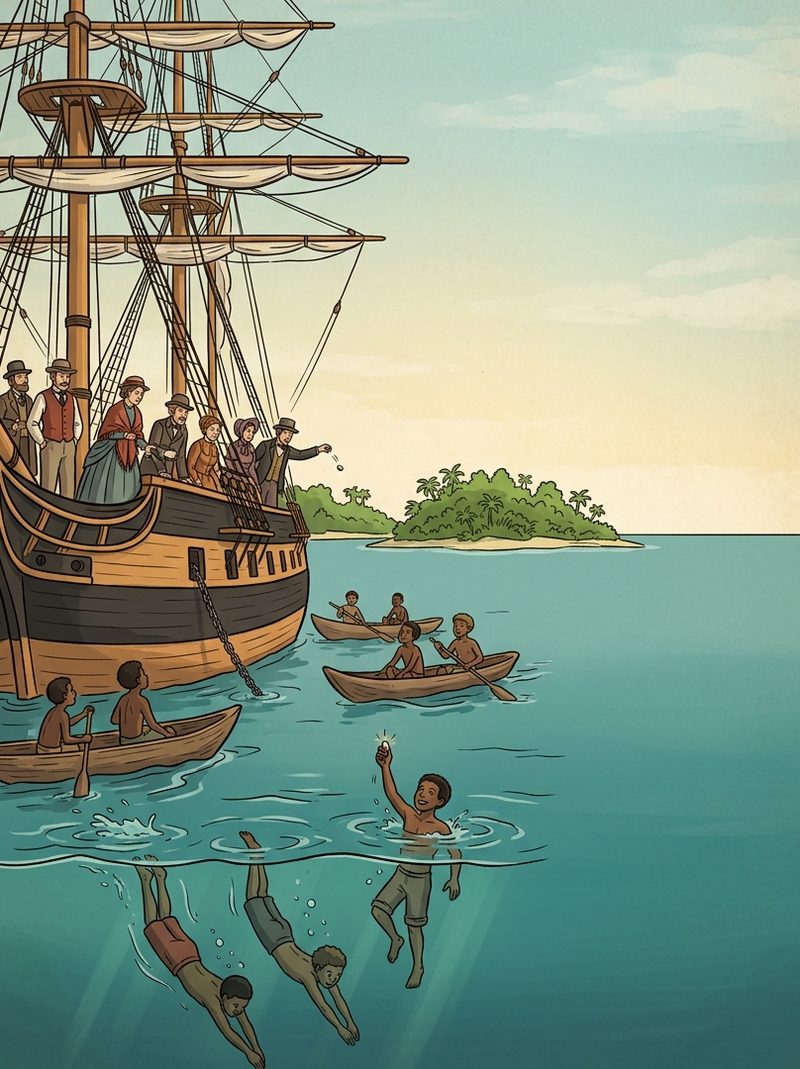
- Coin divers: local youths dived for coins thrown by passengers at the New Harbour, a familiar sight until the 1920s.
A Modern Port
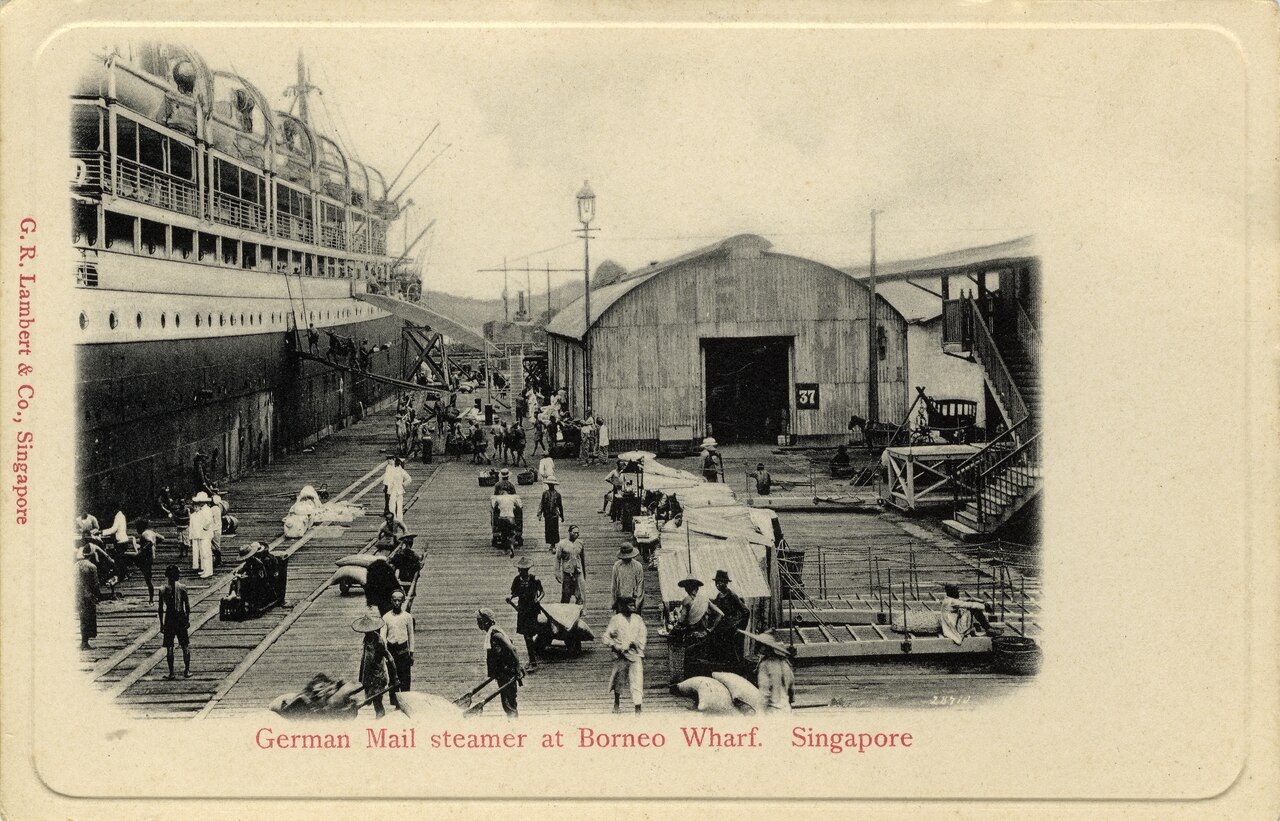
- Harbour Board (1913): the government set up the Singapore Harbour Board, today's Maritime and Port Authority of Singapore, to improve the port further.
- New buildings: new , docks, storehouses and machine shops were built.
- Machines: forklifts, cranes and tractors loaded and unloaded goods faster.
- Links to Malaya: a railway linked the port to Malaya, with its southern end at Tanjong Pagar. The Causeway between Singapore and Malaya opened in 1924, joining the port to its hinterland.
- The result: Singapore became one of the busiest and most prosperous ports in Asia.
How Did Singapore's Port Facilities Grow to Keep Up with Its Trade, and Why Did the British Bother?
Reason 1: Growing Trade, Crowded Old Harbour
- PPointOne reason why the British improved Singapore's port facilities was that growing trade had outgrown the Old Harbour.
- EEvidenceIn the 1850s trade was expanding, and the Old Harbour on the Singapore River ran out of space on its banks for warehouses.
- EElaborationA full harbour cannot store or handle more cargo, so ships would have had to wait or take their trade to another port, putting Singapore's growth at risk.
- LLinkHence, the British built a bigger harbour to keep trade coming to Singapore.
Reason 2: Steamships Needed Deep Water and Coal
- PPointAnother reason why the British improved the port was that the new steamships needed facilities the river could not provide.
- EEvidenceSteamships arrived in the 1850s, running on coal. The river had no room for coal warehouses or dry docks, but the New Harbour (1852) had water deep enough for steamships to sail right up to it.
- EElaborationLarge steamships needed deep water to berth and coal to refuel, and the crowded river could offer neither, so without a new harbour these ships would have passed Singapore by.
- LLinkThus, the British built the New Harbour to serve the steamships, which became even more important after the Suez Canal opened in 1869.
Reason 3: World Demand for Tin and Rubber
- PPointA third reason why the British kept improving the port was the world's growing demand for tin and rubber.
- EEvidencePlantations were opening fast in Singapore and Malaya. Through the Singapore Harbour Board (1913), new wharves and docks were built and cranes, forklifts and tractors were brought in, modernising the port only just in time to handle the world's growing appetite for tin and rubber.
- EElaborationMore cargo passing through the port needed faster loading and unloading, which is what the new machines and wharves provided, so the port could keep up with the boom.
- LLinkTherefore, the British kept modernising the port, which allowed Singapore to profit from the tin and rubber boom.
Change and Continuity: Boat Quay
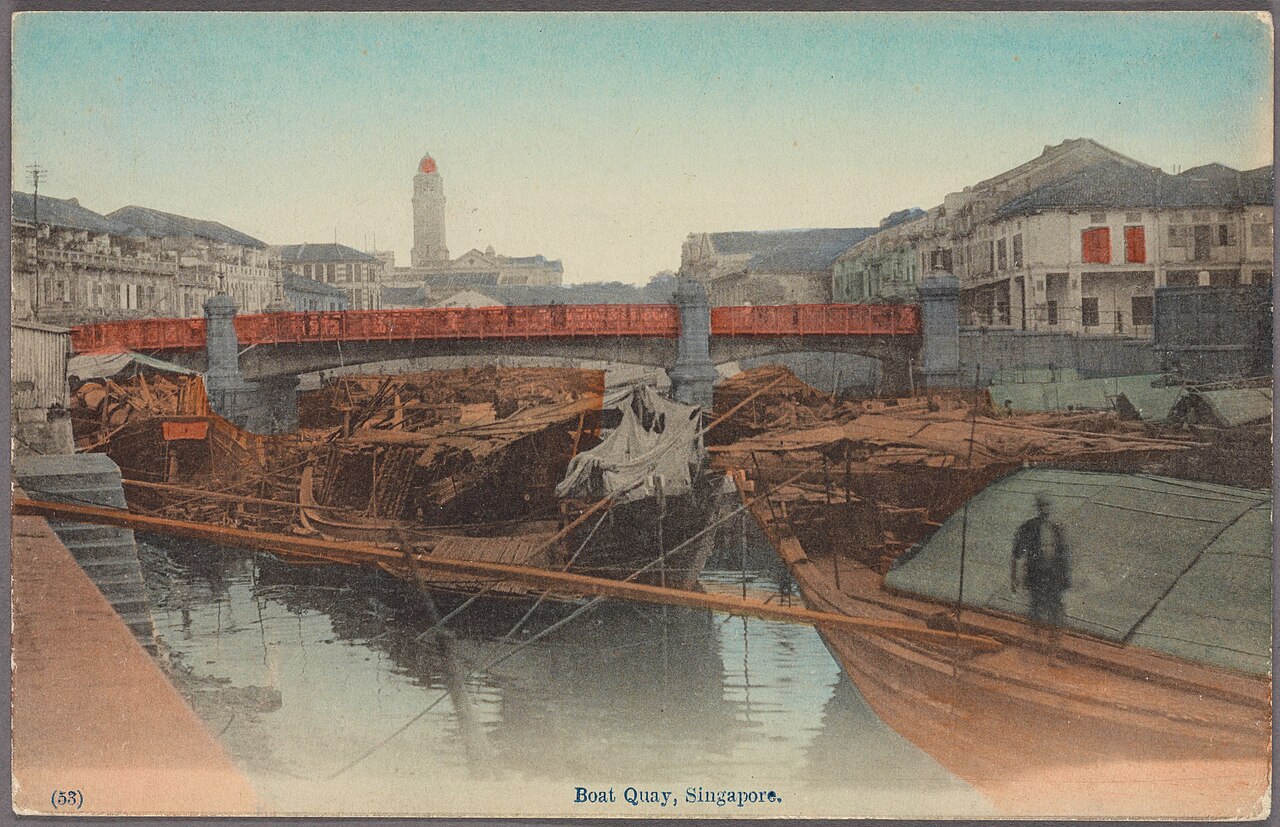
- What changed: Boat Quay was once the Old Harbour, busy with trade. Today it is a place to eat and relax.
- What stayed the same: it is still on the Singapore River. In 1907, more than 50 years after the New Harbour opened, boats were still packed along it.
- The lesson: can happen at the same time, and change is often slow.
In One Sentence
- Because trade was growing, steamships needed deep water and coal, and the world wanted more tin and rubber, the British moved the port to the New Harbour and kept modernising it, making Singapore one of Asia's busiest ports.
Think About It
- Which reason do you think mattered most for building the New Harbour in 1852? Why?
- Why would linking the port to Malaya by railway and Causeway help Singapore's trade, not just Malaya's?
- Look at a place you know that has changed over time. What changed, and what stayed the same?