How Did the Great Depression Hit Singapore?
How Did the Great Depression Hit Singapore?
The Great , which began with the of 24 October 1929, was an external development that set back Singapore's growth. These notes explain three impacts: loss of trade, as and prices for tin and rubber collapsed; economic hardship, as firms workers; and laws to restrict immigration. By 1934 exports began to rise again, but the slump showed how far Singapore depended on world trade.
How the Depression Started
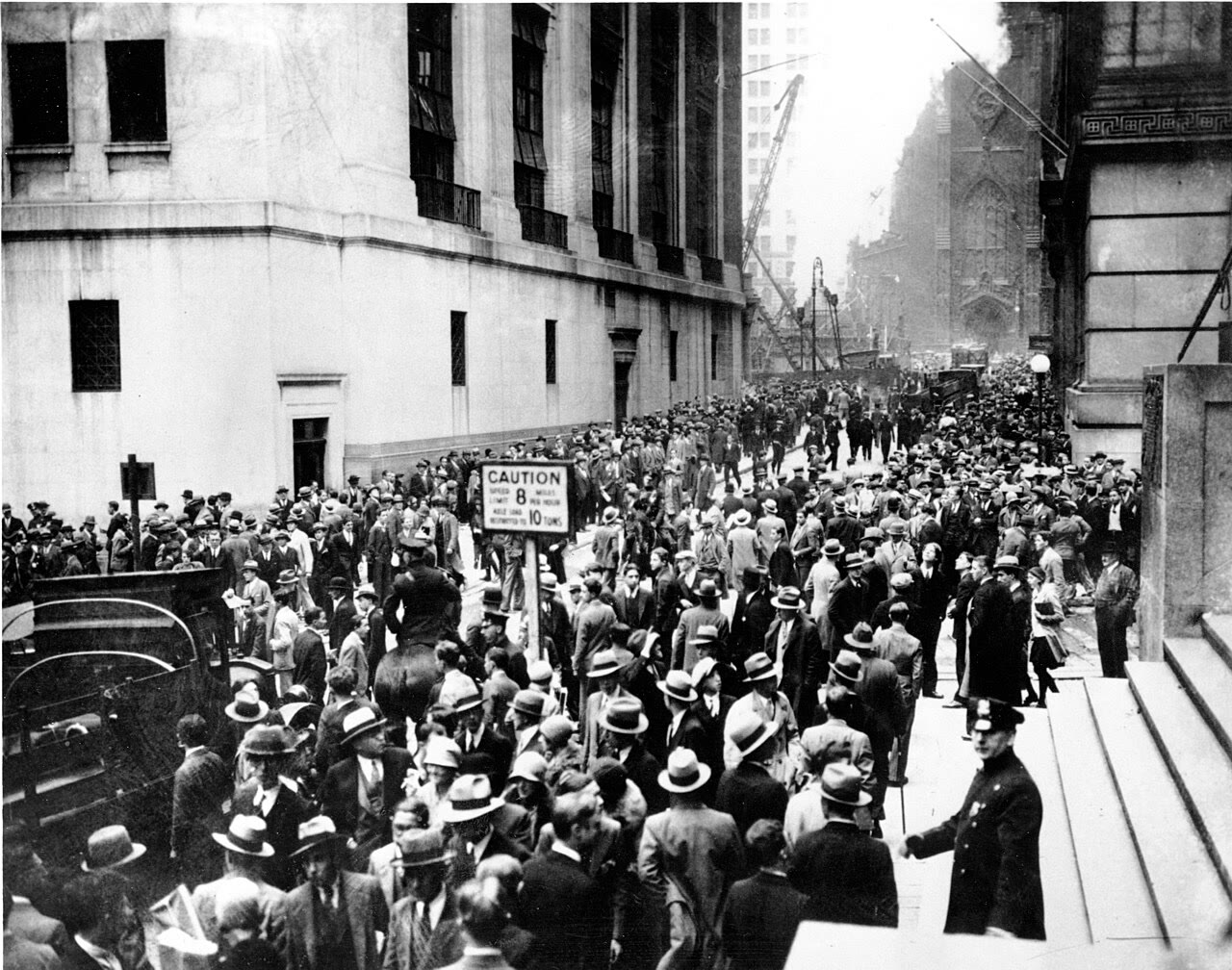
- Boom: in the early 1920s, American companies made huge profits, so many people bought to make quick money.
- Trouble: by 1929, many companies could not sell their goods. People began selling shares, so prices fell, and more people sold.
- The crash: on 24 October 1929, share prices fell rapidly and the New York Stock Exchange on Wall Street collapsed. This was the Wall Street Crash.
- Hardship: some banks closed and people lost their life savings. Wages were cut, workers were laid off, and spending fell.
- Worldwide: countries that traded with America were hit too. Singapore suffered as demand for tin and rubber fell.
How Did the Great Depression Hit Singapore?
Impact 1: Loss of Trade
- PPointOne impact of the Great Depression on Singapore was a severe loss of trade.
- EEvidenceSingapore's economy depended on overseas trade, especially exporting Malayan tin and rubber to the United States. Too much tin and rubber was being produced even before the Depression; then the companies that used them closed down, so demand and prices fell drastically. Rubber fell from an average of 34 cents in 1929 to 4.95 cents in June 1932.
- EElaborationBecause Singapore's trade rested on selling tin and rubber to America, a collapse in American demand meant its main exports were suddenly worth very little, so far less money flowed through the port.
- LLinkHence, the Depression struck at the very trade that the tin and rubber booms had built, which led to hardship for Singapore's people.
Impact 2: Economic Hardship
- PPointA second impact of the Great Depression was great economic hardship for people in Singapore.
- EEvidenceCompanies made losses, so they retrenched workers. Many businessmen went bankrupt and was widespread. Hundreds applied for every job, and even the government cut its own staff and their pay. The unemployed had to depend on friends and relatives.
- EElaborationLost trade meant lost business, and firms cut costs by laying off workers, so families lost their incomes at the same time as new jobs disappeared.
- LLinkThus, the Depression hit Singapore's people, not just its trade, which pushed the government to act on immigration.
Impact 3: Laws to Restrict Immigration
- PPointA third impact of the Great Depression was that the government passed laws to restrict immigration.
- EEvidenceFrom 1928, laws cut the number of migrants, especially unskilled men. From 1933, new migrants had to pay $5 for a . Chinese migrant arrivals fell from 242,000 in 1930 to under 28,000 in 1933, and large numbers of unemployed Chinese and Indians were sent back home.
- EElaborationFewer newcomers and the return of the unemployed meant fewer people chasing the few jobs left, which the government hoped would improve the economic situation.
- LLinkTherefore, the Depression even changed who could come to Singapore, slowing the migration on which its growth had depended.
Who Suffered Most?
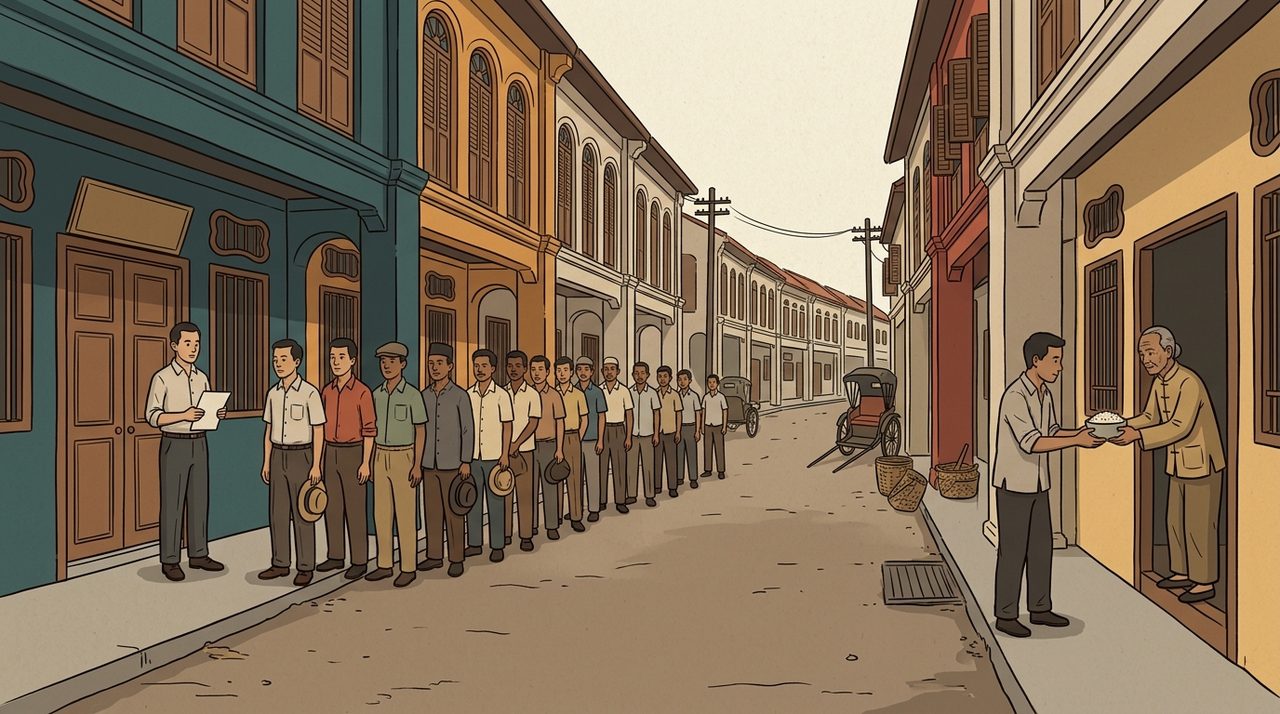
- Hit hardest: a historian, Loh Kah Seng, writes that estate workers, clerks and labourers tied to world trade suffered more than others.
- Less affected: people in the local economy, such as government employees, suffered less, and hawkers, farmers and tutors could get by.
- Protecting rubber: the British issued , so each producer could export only part of its rubber.
- Recovery: by 1934, Singapore's exports began to rise again.
In One Sentence
- Because Singapore depended on selling tin and rubber to the world, the Great Depression cut its trade, cost people their jobs and led to laws limiting migrants, until exports began to recover by 1934.
Think About It
- The crash happened in New York. Why did it hurt workers in Singapore so badly?
- Hawkers and farmers got by better than clerks and estate workers. Why do you think that was?
- Was it fair to send unemployed migrants back home? Think about it from the government's side and the migrants' side.