So, Why Did Singapore Really Grow into a Great Port City?
So, Why Did Singapore Really Grow into a Great Port City?
These notes answer the chapter question: how did and affect Singapore's growth as a from 1819 to 1942? British rule built a safe, stable, well-equipped port. Three external developments then shaped how much trade came: the Suez Canal and the tin and rubber booms boosted growth, while the set it back. The judgement weighs the two and shows how they were linked.
Box 1: British Rule
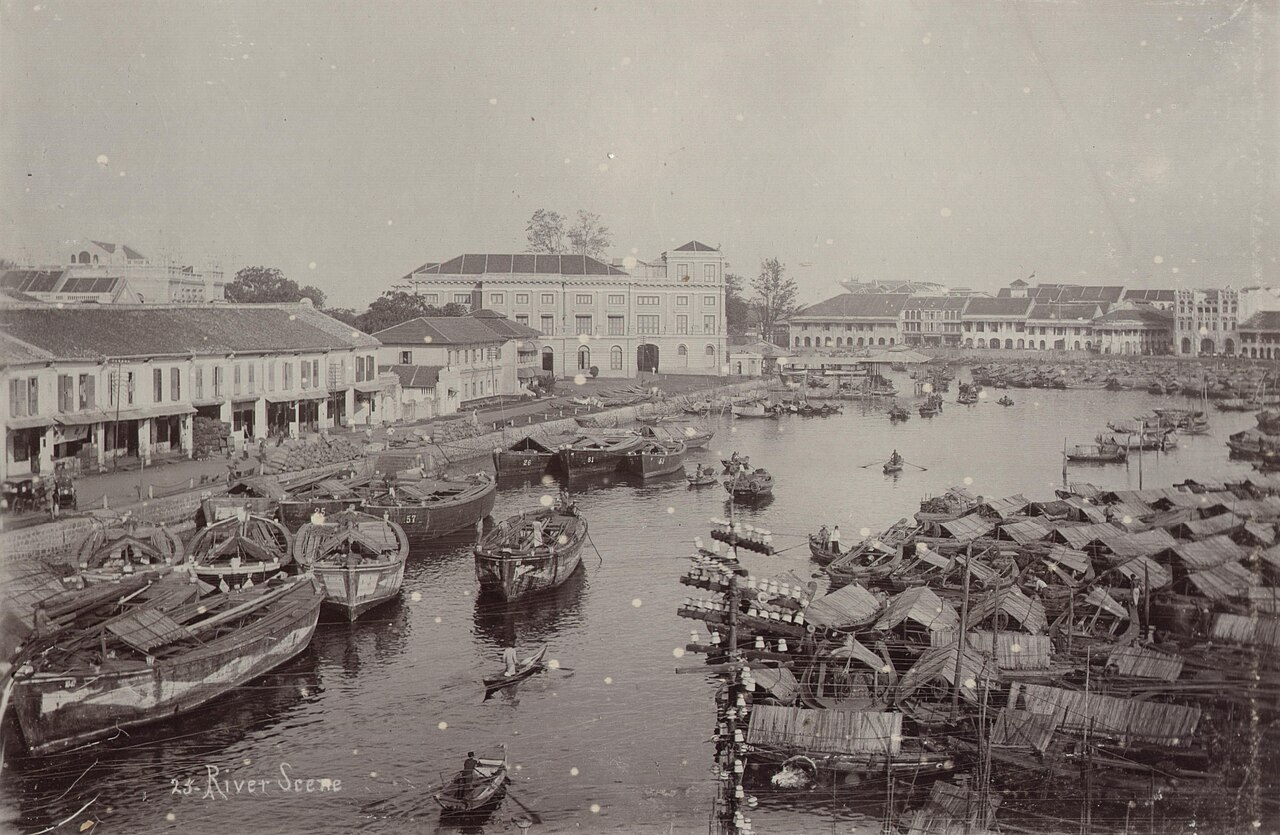
- Free port: no taxes on trade drew merchants and ships to Singapore.
- Running the colony: Crown Colony rule from 1867 gave nearly 75 years of stable government.
- Law and order: police reform, the Chinese Protectorate and the Dangerous Societies Ordinance made the town safe for trade.
- Services: English schools supplied clerks and public health slowly improved, though both had limited success.
- Port facilities: the New Harbour, the Harbour Board and the Causeway let the port handle more trade.
- Impact: a peaceful, stable, well-equipped port allowed trade to thrive.
Box 2: External Developments
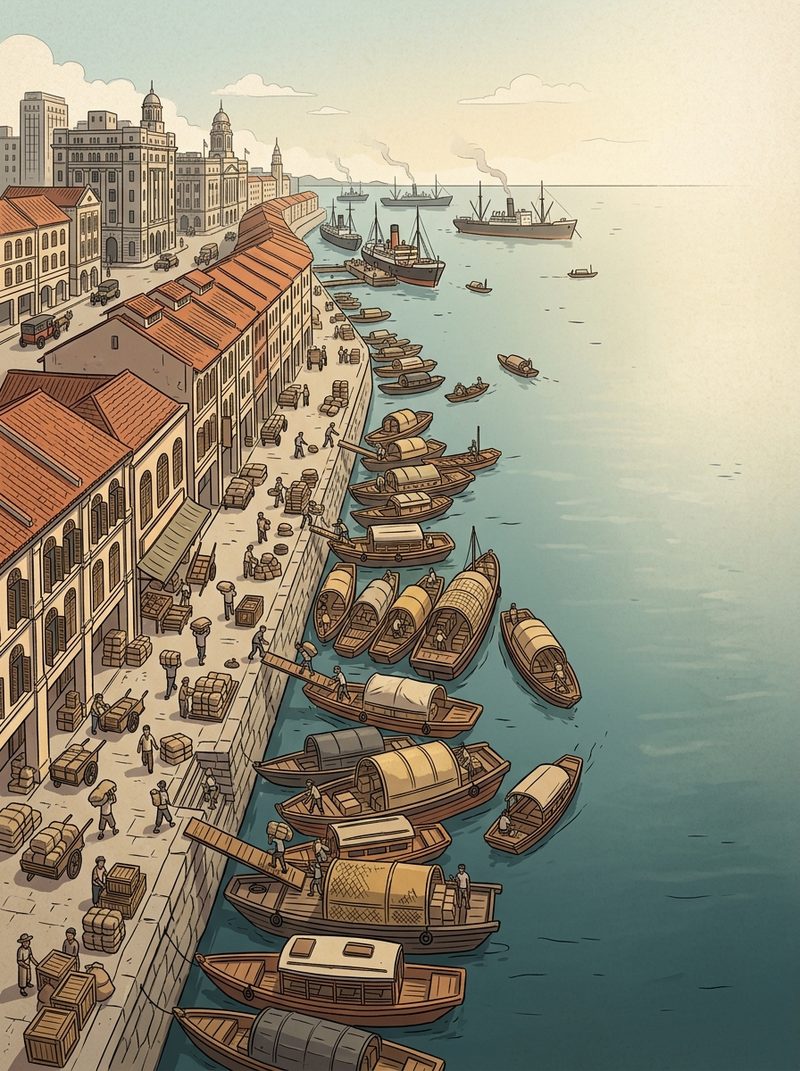
- What they are: events outside Singapore that Singapore could not control.
- Helped: the Suez Canal and the tin and rubber booms brought more ships and trade.
- Set back: the Great Depression showed how much Singapore depended on the world economy.
So, Why Did Singapore Really Grow into a Great Port City?
Factor 1: The Suez Canal
- PPointOne external development that boosted Singapore's growth was the opening of the Suez Canal in 1869.
- EEvidenceLondon to Singapore went from at least 120 days round the Cape of Good Hope to about 50 days. The Straits of Melaka overtook the Sunda Straits as the main route from Europe to the Far East, and more steamships made Singapore a key .
- EElaborationShorter, cheaper voyages encouraged more trade with Europe, and because the new main route ran past Singapore and steamships had to refuel, more ships stopped at its port for coal, water and food.
- LLinkHence, the canal boosted Singapore's trade and made it the leading port in the region.
Factor 2: Tin and Rubber
- PPointAnother external development that fuelled Singapore's growth was the rise of the tin and rubber industries.
- EEvidenceThere was peace in Malaya after 1874, and American demand: cans for tin, cars for rubber. Tin ore was smelted on Pulau Brani, and tin became Singapore's most important trade item. Rubber exports rose from 104 tonnes in 1905 to 196,000 tonnes in 1914.
- EElaborationMalaya had become Singapore's , so as world demand soared its tin and rubber were processed, sold and exported through Singapore, adding new industries to the port's trade.
- LLinkThus, tin and rubber greatly increased Singapore's trade and wealth, but also tied it to world demand.
Factor 3: The Great Depression
- PPointHowever, one external development, the Great Depression, set Singapore's growth back.
- EEvidenceDemand for tin and rubber collapsed; rubber fell from 34 cents to 4.95 cents. Companies retrenched workers, and Chinese migrant arrivals fell from 242,000 to under 28,000.
- EElaborationSingapore's trade depended on selling tin and rubber abroad, so when the world stopped buying, trade and jobs fell together.
- LLinkTherefore, external developments mostly helped Singapore grow, but the Depression showed how much it depended on the world economy.
Making a Judgement
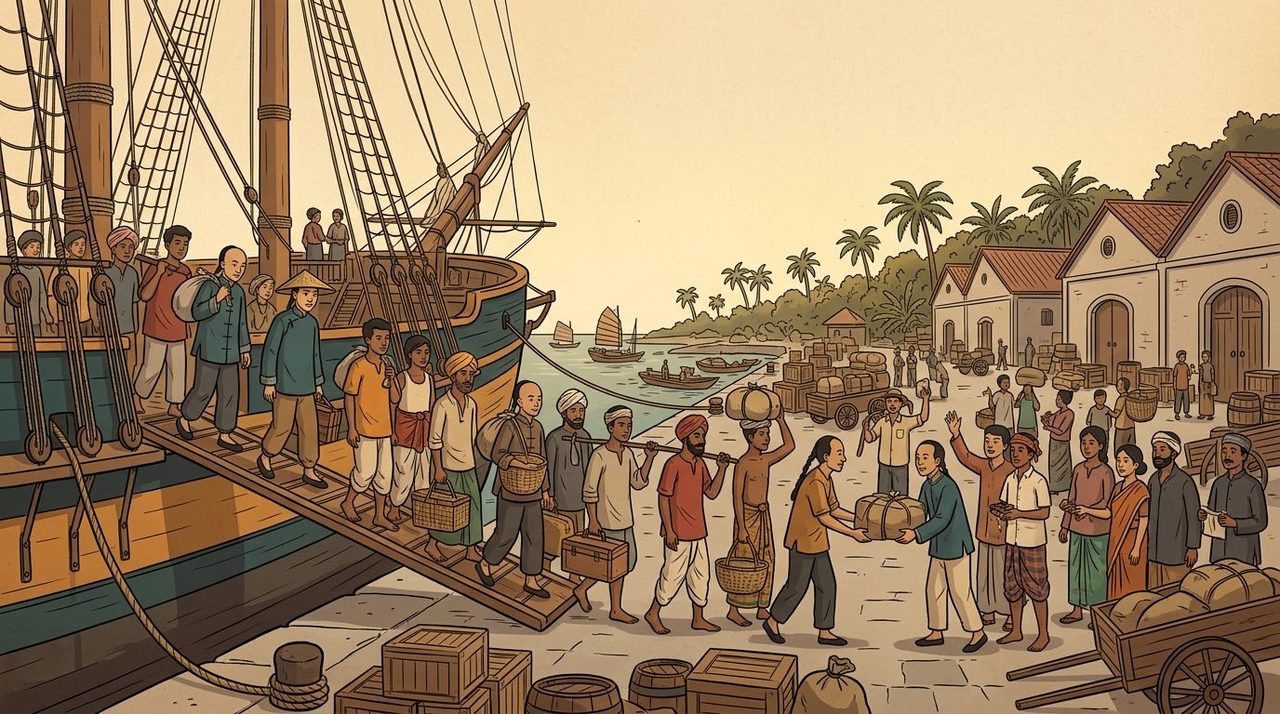
- Both mattered: British rule made Singapore a safe, well-run port, and external developments sent more ships and goods its way.
- The linkage: British rule made the port able to handle trade, for example the New Harbour served the steamships the Suez Canal brought, while external developments largely decided how much trade came.
- Mostly, not always: external developments mostly helped, but the Depression shows they could also hurt.
- Answering "how far": weigh the factors that helped against the one that held Singapore back, then decide which mattered more and explain why.
In One Sentence
- Stable British rule made Singapore a safe, well-equipped free port, and external developments like the Suez Canal and the tin and rubber booms sent trade its way, though the Great Depression showed the risks of depending on world trade.
Think About It
- Which mattered more for Singapore's growth: British rule or external developments? Give one reason for your answer.
- The Suez Canal and the tin and rubber booms both depended on the outside world. Why is that both a strength and a risk?
- If the Suez Canal had never been built, do you think Singapore would still have become a great port? Why or why not?