How Did the Suez Canal Transform Singapore's Fortunes?
How Did the Suez Canal Transform Singapore's Fortunes?
The opening of the on 17 November 1869 was an external development that greatly boosted Singapore's growth. These notes explain three impacts: shorter, cheaper voyages from Europe (about 50 days instead of at least 120), more ships using the and calling at Singapore, and the rise of , which made Singapore a key .
Before and After 1869
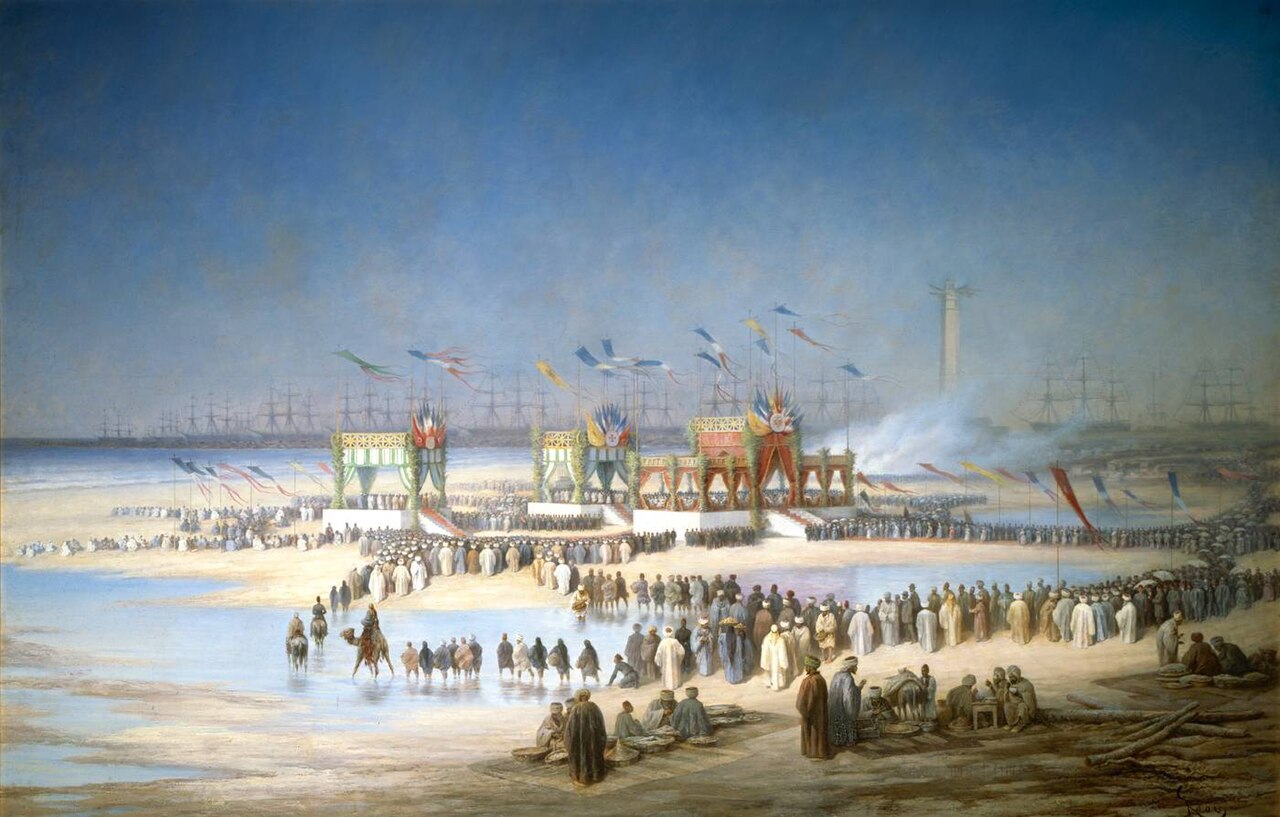
- Before 1869: ships went round the at the southern tip of Africa, a long and often dangerous trip of at least 120 days from London.
- The canal: a shortcut through Egypt, designed by the French engineer Ferdinand de Lesseps. It opened on 17 November 1869.
- Busy route: within a few years, the canal was one of the busiest waterways in the world.
- Other routes: routes across the Pacific were also considered; the Panama Canal opened on 15 August 1914.
How Did the Suez Canal Transform Singapore's Fortunes?
Impact 1: Shorter Time, Lower Costs
- PPointOne way the Suez Canal affected Singapore's growth was by making voyages between Europe and Singapore shorter and cheaper.
- EEvidenceBefore 1869, London to Singapore took at least 120 days round the Cape of Good Hope. With the canal, and faster steamships replacing sailing ships, the trip took about 50 days.
- EElaborationA shorter route saved distance and time, so each voyage cost less, which made it more profitable to send people, mail and cargo between Europe and Singapore.
- LLinkHence, the canal brought Singapore closer to Europe and increased its trade with the West.
Faster Links With Europe
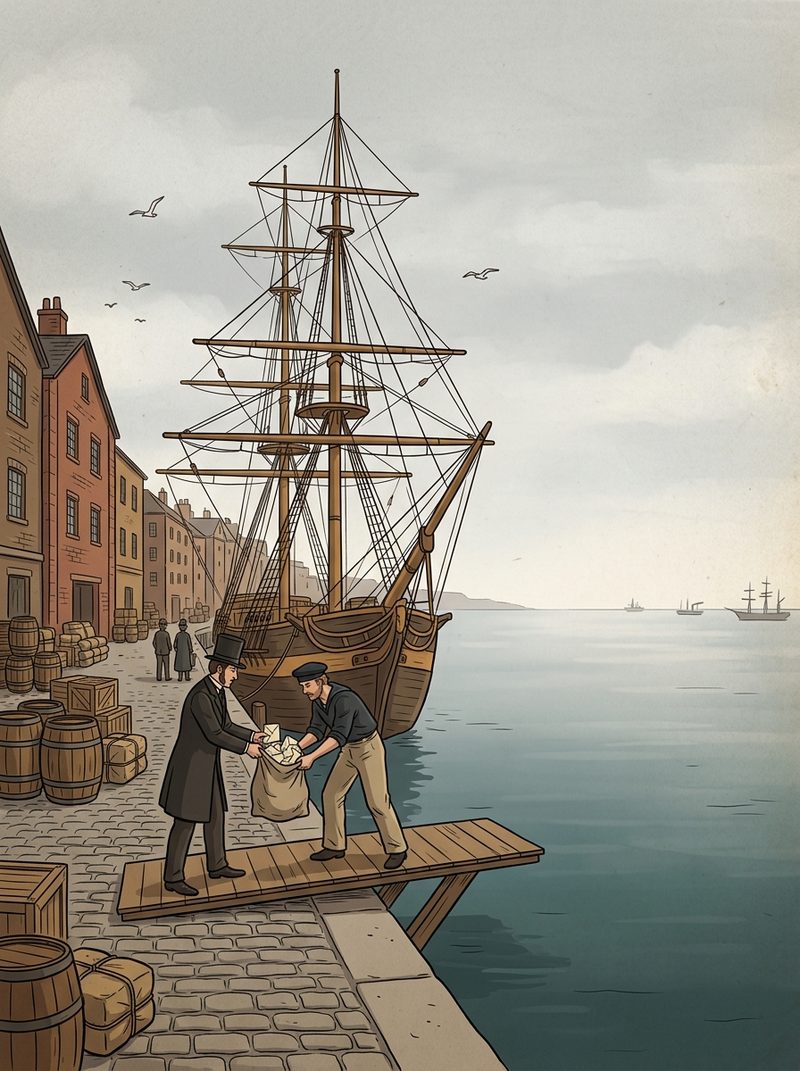
- Faster: people, mail and cargo reached Singapore from Europe much faster.
- Cheaper: shorter trips saved distance and time, so shipping cost less.
- Linkage: this was an external development, an event outside Singapore that it could not control, yet it changed Singapore's trade.
Impact 2: More Ships Through the Straits of Melaka
- PPointAnother way the Suez Canal affected Singapore was by sending more ships through the Straits of Melaka, past Singapore.
- EEvidenceAfter 1869, the Straits of Melaka overtook the as the main route from Europe to the Far East. More ships passed through the Straits of Melaka and called at Singapore to refuel and collect food.
- EElaborationSingapore sat at the southern end of the Straits of Melaka, so when this became the main route, ships that once sailed elsewhere now passed its port and stopped there for supplies.
- LLinkThus, the canal made Singapore the leading port in the region.
Impact 3: More Steamships, More Coal
- PPointA third way the Suez Canal affected Singapore was by speeding up the switch to steamships, which made Singapore a key coaling station.
- EEvidenceSailing ships could not use the canal all year round, so more steamships were used. On long trips, steamships had to stop regularly for huge amounts of coal and fresh water, and a string of coaling stations grew from southern Asia, down the Straits of Melaka and into the South China Sea.
- EElaborationBecause steamships could not sail far without refuelling, they had to call at coaling stations along the route, and Singapore, with its deep-water New Harbour, was well placed to supply them.
- LLinkTherefore, the canal made Singapore even more important for trade between Europe and the Asia Pacific region.
Singapore the Coaling Station
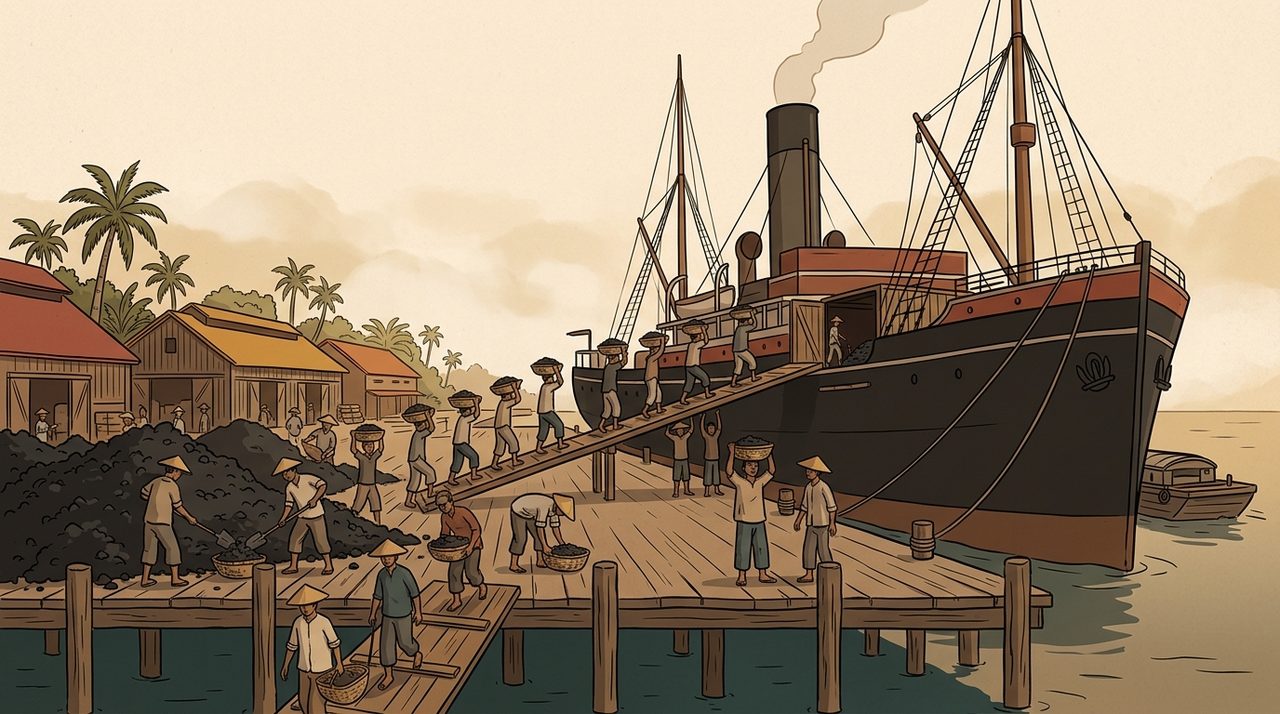
- Fuel stops: steamships needed huge amounts of coal and fresh water on long trips.
- Singapore's role: as one of a string of coaling stations, Singapore served the growing number of steamships.
- Linkage: the New Harbour (1852), built for steamships, meant Singapore was ready when the canal sent more of them its way.
In One Sentence
- The Suez Canal cut the trip from Europe to about 50 days, sent more ships through the Straits of Melaka, and made Singapore a key coaling station, so it became the leading port in the region.
Think About It
- The canal was thousands of kilometres away in Egypt. How could an event so far away change life in Singapore?
- Which of the three impacts do you think helped Singapore's trade the most? Why?
- Why might the switch from sailing ships to steamships have helped Singapore more than other ports in the region?