Did the British Provide Good Healthcare for Early Singapore?
Did the British Provide Good Healthcare for Early Singapore?
For decades the British gave the public almost no medical care. After 1867 they made a planned effort to improve public health, yet in the late 1890s deaths were still more than double births. These notes set out what the British did and explain three reasons why the stayed high: overcrowded, unhygienic housing, poor understanding of disease, and people who could not afford, or did not trust, Western treatment.
Before 1867: Almost No Care
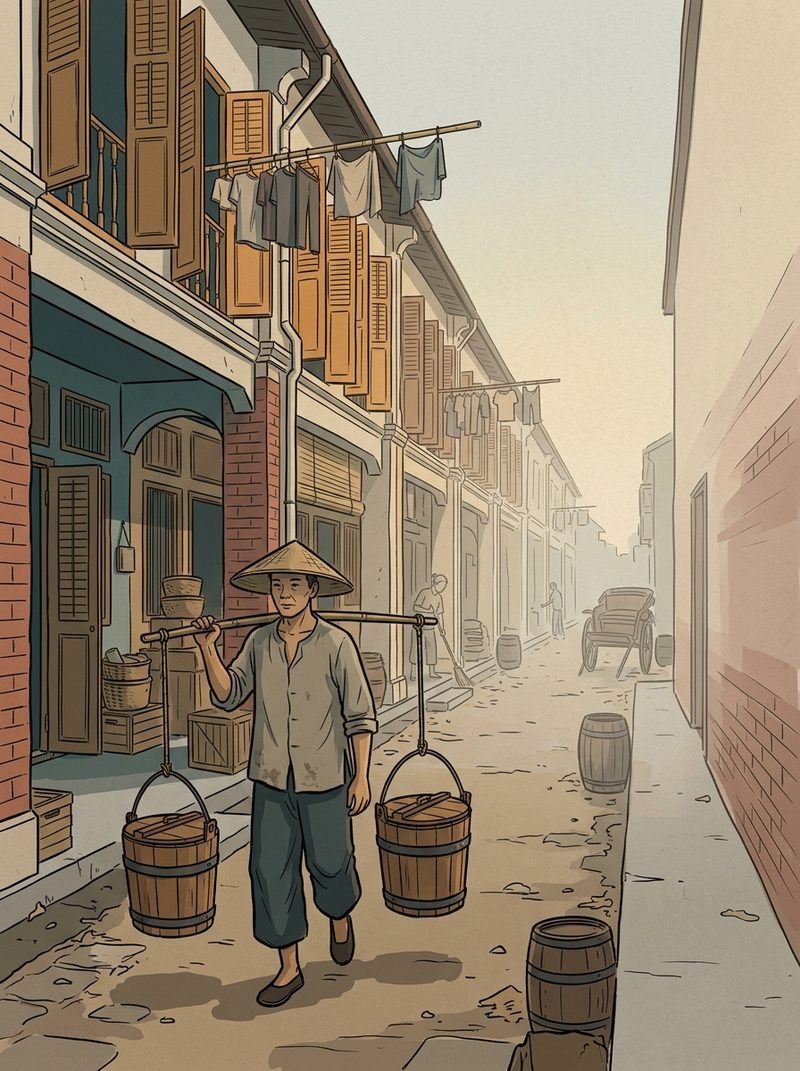
- Few doctors: one or two government doctors looked after sick soldiers in a military hospital. A few European doctors treated mostly Europeans and rich Asians.
- The poor: poorer Asians could not afford proper treatment.
- Poverty and disease: before the 1860s, many Asians suffered from , overcrowding and poor , which pushed up the death rate.
- No sewers: people used toilet buckets, which cleared every day.
After 1867: Cleaning Up
- A planned effort: after Singapore became a Crown Colony in 1867, the government set out to improve public health.
- (1887): its malaria committee oversaw draining the swamps. A modern replaced the bucket system, and dirty streets and drains were cleared.
- Housing: the government tried to make living quarters in Chinatown less crowded.
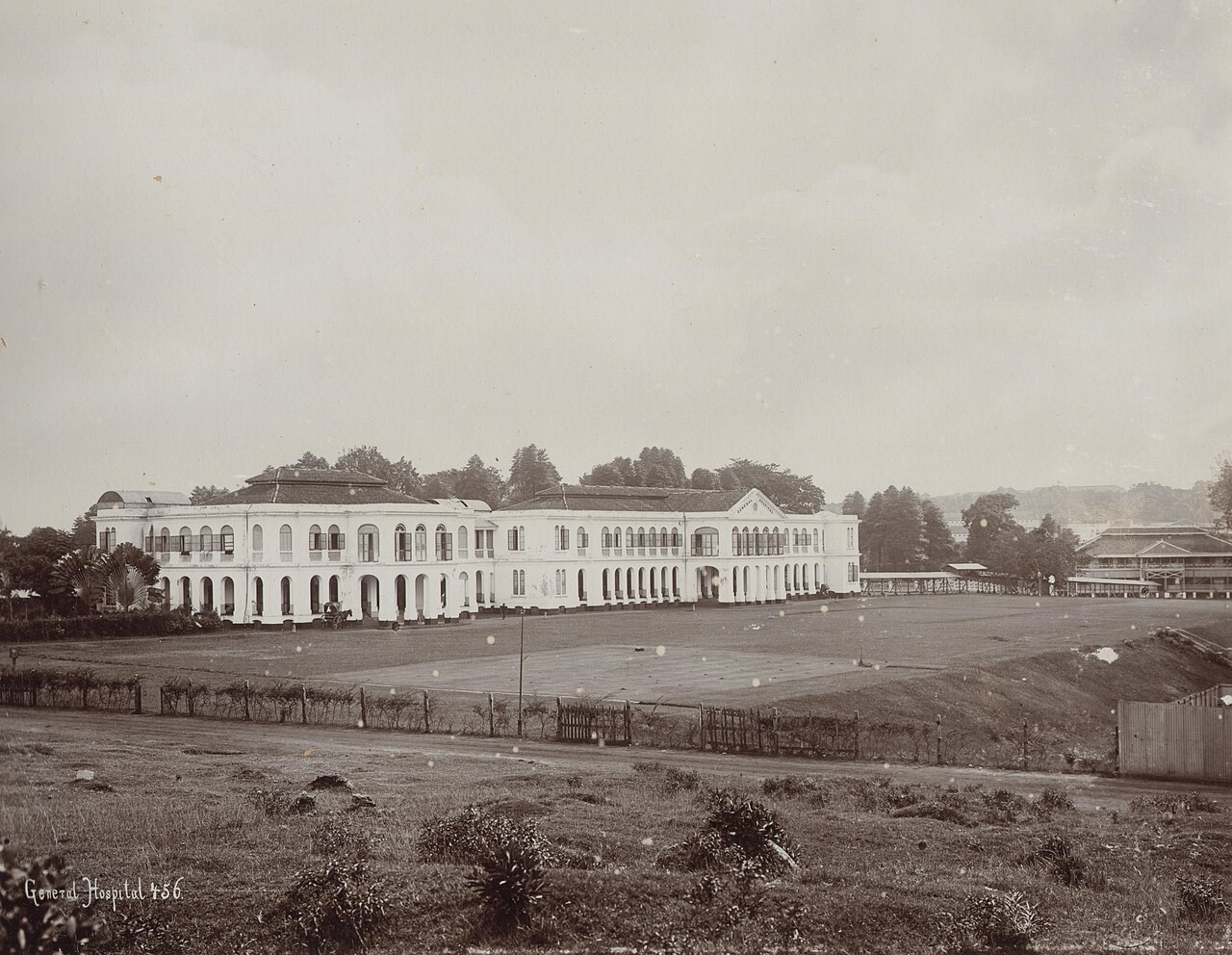
- Hospital: the General Hospital began as a shed and moved several times, before opening on Outram Road in 1882.
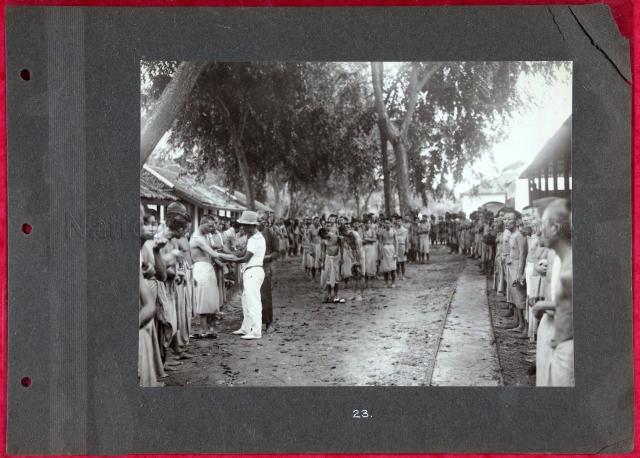
- Quarantine Law (1886): a doctor checked people arriving by sea. Those with infectious diseases such as smallpox and cholera were kept apart, on , which stopped them spreading disease through the town.
Still More Deaths Than Births
- The numbers: from 1896 to 1900, about 3,835 babies were born each year, but about 8,847 people died each year.
- Significance: the clean-up was real, but it was not enough to bring the death rate down.
Did the British Provide Good Healthcare for Early Singapore?
Reason 1: Overcrowded, Unhygienic Housing
- PPointOne reason why the death rate stayed high was that the poor lived in overcrowded, unhygienic housing.
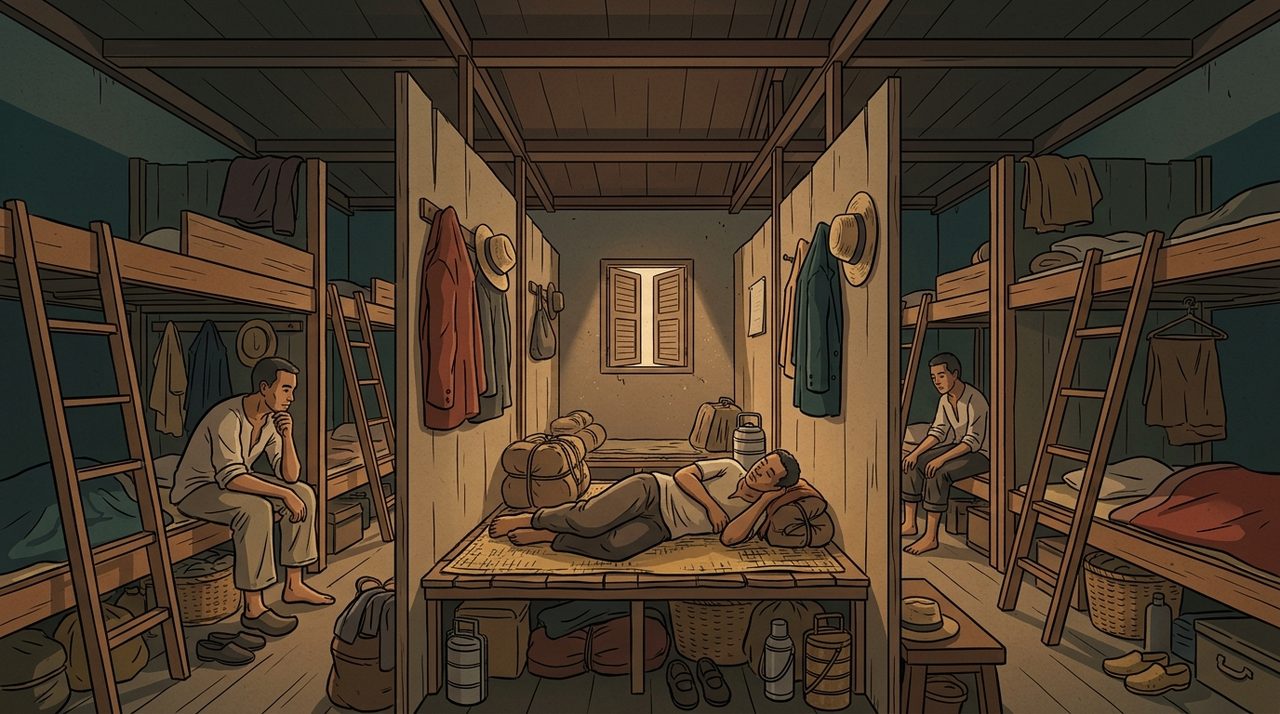
- EEvidenceThe jobs were in the town, so workers stayed in nearby. These shophouses were overcrowded, unsanitary and poorly ventilated.
- EElaborationWith many people packed together and little fresh air, infectious diseases such as tuberculosis and cholera passed quickly from one worker to the next.
- LLinkHence, crowded housing caused many workers to fall sick and die, which kept the death rate high.
Reason 2: Poor Understanding of Disease
- PPointAnother reason why the death rate stayed high was that doctors did not understand how some diseases spread.
- EEvidenceDoctors thought malaria was caused by poisonous air from rotting plants in swampy areas. Only in 1897 did Sir Ronald Ross discover that it is spread by a type of mosquito.
- EElaborationBecause doctors blamed the wrong cause, they could not target what really spread the disease, so it continued to infect people.
- LLinkThus, poor understanding of disease limited what public health measures could achieve and kept the death rate high.
Reason 3: No Money, No Trust in Western Medicine
- PPointA third reason why the death rate stayed high was that most Asians did not get treatment when they fell ill.
- EEvidenceMany did not have the money for treatment, and many did not trust .
- EElaborationWhen people could not pay for or would not accept treatment, illnesses went untreated, so people who might have recovered died instead.
- LLinkTherefore, with so many sick people never treated, the death rate stayed high, showing that British healthcare, like education, had limited success.
By the 1940s
- Better at last: by the early 1940s, public health had generally improved.
- More money: economic growth meant the government spent more on healthcare, a linkage between trade and public health.
- People spoke up: as people understood more about health, local people called on the government to tackle the spread of disease.
In One Sentence
- After 1867 the British cleaned up the town, but overcrowded housing, poor medical knowledge and a lack of treatment kept deaths high until economic growth funded better public health by the 1940s.
Think About It
- The British spent little on healthcare for decades. Why do you think a trading colony might put trade before people's health?
- Doctors blamed malaria on swamp air. Why might draining the swamps still have helped, even though the doctors had the wrong reason?
- Some people did not trust Western medicine. What could the government have done to win their trust?