How Did the British Finally Restore Law and Order?
How Did the British Finally Restore Law and Order?
After the traders' appeal of 1843, the British slowly restored law and order, and each step answered one of the earlier problems. These notes explain three ways: police reform under Thomas Dunman, the set up in 1877 under William Pickering, and the of 1890. At sea, piracy faded in the early 1870s. None was a complete fix, but together they made Singapore a safer place to trade.
The Traders' Appeal
- 1843: European and Asian traders held a public meeting about the small police force's failure to keep order.
- The letter: they wrote to the Governor asking for a stronger police force, because crime made their lives and property unsafe.
- The result: Thomas Dunman was made Deputy Magistrate and Deputy Superintendent of Police in 1843.
How Did the British Finally Restore Law and Order?
Way 1: Police Reform
- PPointOne way the British restored law and order was by building a bigger, better police force.
- EEvidenceAfter the traders' appeal, Thomas Dunman became Deputy Superintendent of Police in 1843, and in 1857 the first full-time . He fought for better pay and conditions, so better men, "men of good character", joined. He could not stop every riot, but by 1871, when he retired, gang robberies were down. A police training school opened in 1881 and a separate in 1884; by the 1930s the force was about 2,000 strong.
- EElaborationBetter pay attracted more capable and honest recruits, and training and a detective force gave them the skills to investigate crime, so criminals were more likely to be caught.
- LLinkHence, police reform turned a small, weak force into a professional one, solving the first problem.
Way 2: The Chinese Protectorate
- PPointAnother way the British restored order was by setting up the Chinese Protectorate to protect Chinese migrants.
- EEvidenceIt was set up in May 1877, ten years after the Colonial Office took over. Its head, William Pickering, the first , spoke several Chinese dialects. Coolie-agents and lodging houses had to register, officers boarded every coolie ship from China and inspected coolie houses, and the rescued many young girls from being sold and sheltered badly treated servants. All secret societies had to register, and Pickering persuaded people to settle quarrels at the Protectorate instead.
- EElaborationSpeaking migrants' own dialects won their trust, so abuse that had been hidden was reported, and registration and inspections let officials watch the agents and societies that had operated unseen.
- LLinkThus, the Protectorate tackled the abuse of coolies and women, though not completely, as the societies kept some power and some victims did not come forward.
Way 3: The Dangerous Societies Ordinance
- PPointA third way the British restored order was by passing a tough law, the Dangerous Societies Ordinance of 1890, to break the big secret societies.
- EEvidenceUnder the ordinance, dangerous societies became automatically unlawful. The Governor could abolish any dangerous society and Chinese migrants back to China, where the Qing government often arrested and executed people who were sent back.
- EElaborationBecause banishment could mean death, the threat made members think twice before joining large gang fights, and outlawing the societies removed their power to operate openly.
- LLinkTherefore, the ordinance ended the huge secret society battles that had brought Singapore to a standstill, even though some trouble carried on.
Who Was Thomas Dunman?
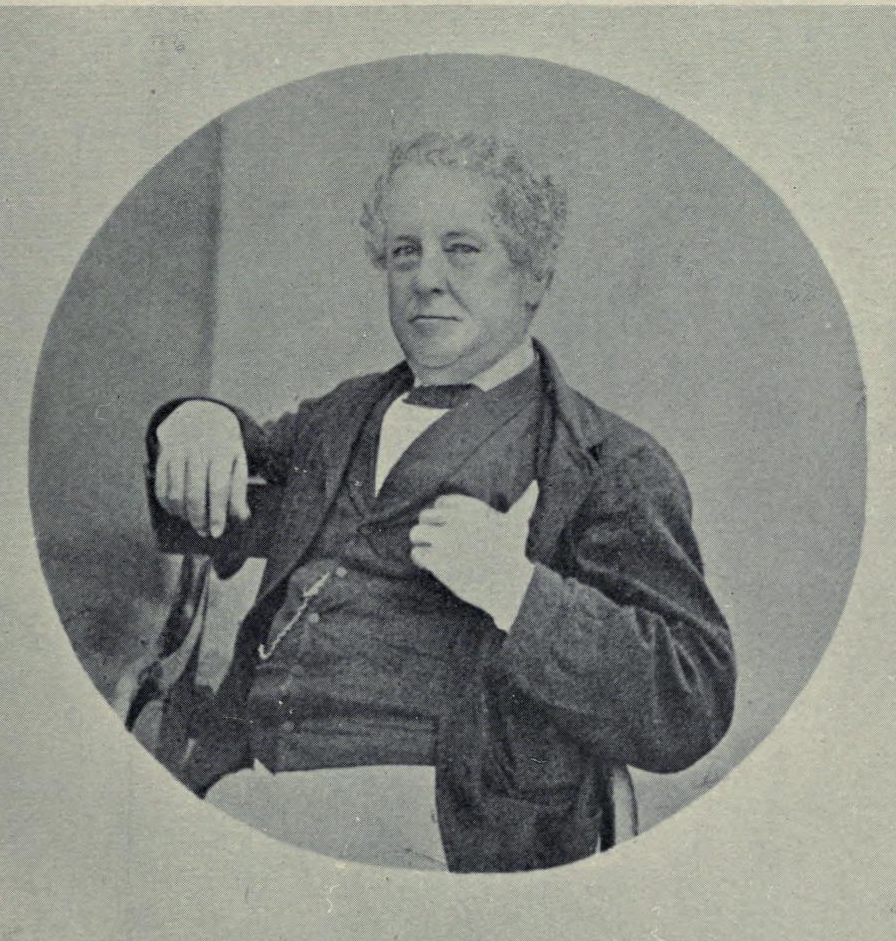
- Trusted by all: he was respected by European officials and traders, and had useful contacts in the Chinese community.
- Hands-on: he was often out at night himself, and even ran night classes to teach his men to read and write.
- Honoured: he received a Sword of Honour for putting down the 1854 Hokkien–Teochew Riots.
- Remembered: Dunman Road, Dunman Secondary School and Dunman High School are named after him.
Piracy Fades
- No legal power: the Straits government could not punish pirates itself, and had to send them to India for trial.
- Not enough ships: after many appeals, India sent , but the Straits government had only three gunboats, so piracy carried on.
- Finally: in the early 1870s, more by the British and other European powers made piracy much less of a problem, so trading ships could reach Singapore more safely.
A Safer Singapore
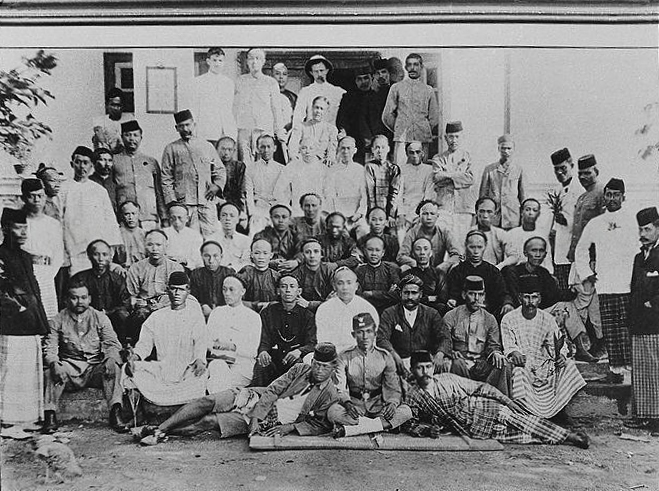
- Not a complete fix: there were riots in 1876 and 1888, and soldiers sometimes had to help the police.
- Better tools: by the 1930s, telephones, motor cars and radio made police work more efficient.
- Trained leaders: officers trained under a police cadet system filled senior posts.
- Impact: these improvements made Singapore a safer, more peaceful place, which gave traders the confidence to keep coming.
In One Sentence
- Police reform, the Chinese Protectorate and the Dangerous Societies Ordinance each tackled one of the earlier problems, so Singapore slowly became a safer place to trade, though not perfectly.
Think About It
- Pickering spoke Chinese dialects. Why did that make the Protectorate work better than earlier efforts?
- Banishment to China could mean death. Was the Dangerous Societies Ordinance fair, or too harsh? Explain.
- It took from 1843 to 1890 to bring secret societies under control. Why do you think it took so long?