How Did Tin and Rubber Turn Malaya into a Global Trading Powerhouse?
How Did Tin and Rubber Turn Malaya into a Global Trading Powerhouse?
For most of the 1800s, Singapore's was the sea; by the end of the century it was . These notes explain how two external developments, the tin boom driven by America's and the rubber boom driven by America's cars, made Malaya a world producer, and how Singapore grew as the port that , sold and exported it all. They also show the growing dependence on world demand that the Great Depression would expose.
A New Hinterland
- Hinterland: an area that supplies raw materials and goods to a port.
- Sea-based: for most of the 1800s, Singapore's hinterland stretched from the South China Sea to the Indian Ocean, with goods like agar-agar, beeswax, opium and tobacco.
- Land-based: by the end of the century, its hinterland was Malaya.
- Singapore's job: Malaya's tin and rubber were processed in Singapore, then exported to the world.
Why the Tin Boom Happened
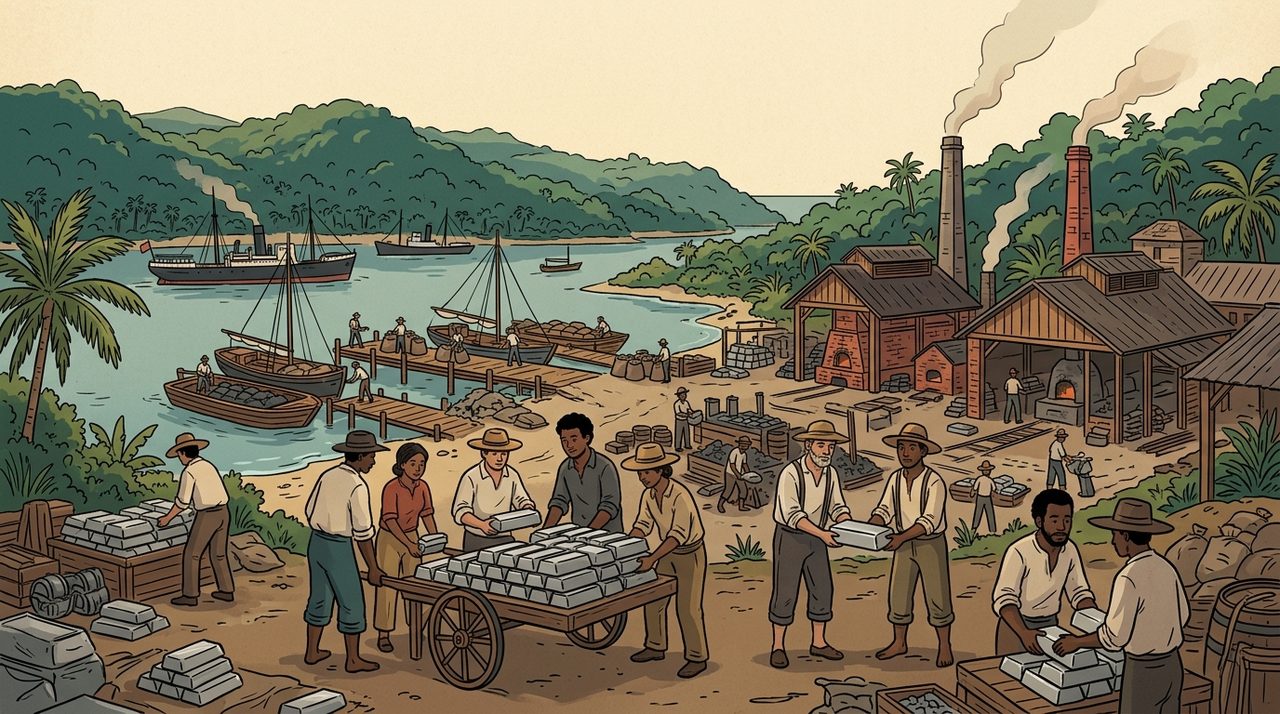
- Peace: after 1874, British control spread to parts of Malaya, and the peace helped mining and trade.
- Demand: America's canning industry was growing, and cans need tin.
- New methods: Chinese and European miners brought new machines and methods.
How Did Tin and Rubber Turn Malaya into a Global Trading Powerhouse?
Impact 1: The Tin Boom
- PPointOne way external developments helped Singapore grow was through the tin boom, which made tin Singapore's most important trade item.
- EEvidenceMalaya went from about 8,600 tonnes of tin in 1875 to nearly 50,000 tonnes in 1895, more than half the world's tin. From 1890, tin ore was smelted on by the Straits Trading Company into almost pure tin, and by the early 1900s it was the world's leading tin smelter. By the end of the 1800s, tin was Singapore's most important trade item.
- EElaborationBecause Malaya was Singapore's hinterland, its rising output flowed through Singapore, and smelting the ore there meant Singapore earned from processing the tin as well as from shipping it.
- LLinkHence, the tin boom greatly increased Singapore's trade and created a new industry.
Why the Rubber Boom Happened
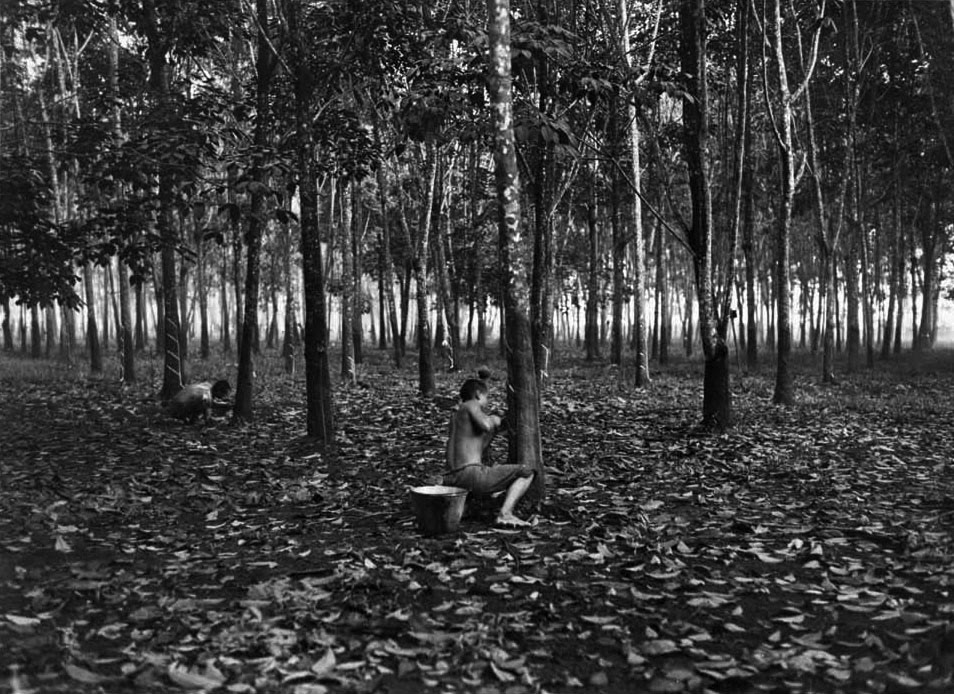
- Tyres: John Dunlop's , a hollow tyre filled with air, was used first on bicycles, then on cars.
- Demand: the United States made millions of cars, and every car needed rubber tyres. Brazil and Africa could not keep up, so prices shot up.
- Ridley: Henry Ridley, first Director of the Botanic Gardens from 1888, found a way in 1897 to tap rubber trees without damaging them.
Impact 2: The Rubber Boom
- PPointAnother way external developments helped Singapore grow was through the rubber boom, which made Singapore an international rubber market.
- EEvidenceTraders in Singapore provided the for plantations, and in 1911 the made Singapore an international rubber market. Malayan rubber exports rose from 104 tonnes in 1905 to 196,000 tonnes in 1914, and Malaya overtook Brazil as the world's biggest producer.
- EElaborationSoaring American demand made rubber very profitable, and because Singapore's traders financed the plantations and its market handled the sales, much of that profit passed through Singapore.
- LLinkThus, the rubber boom brought Singapore new wealth from selling rubber, not just from shipping it.
What It Meant for Singapore
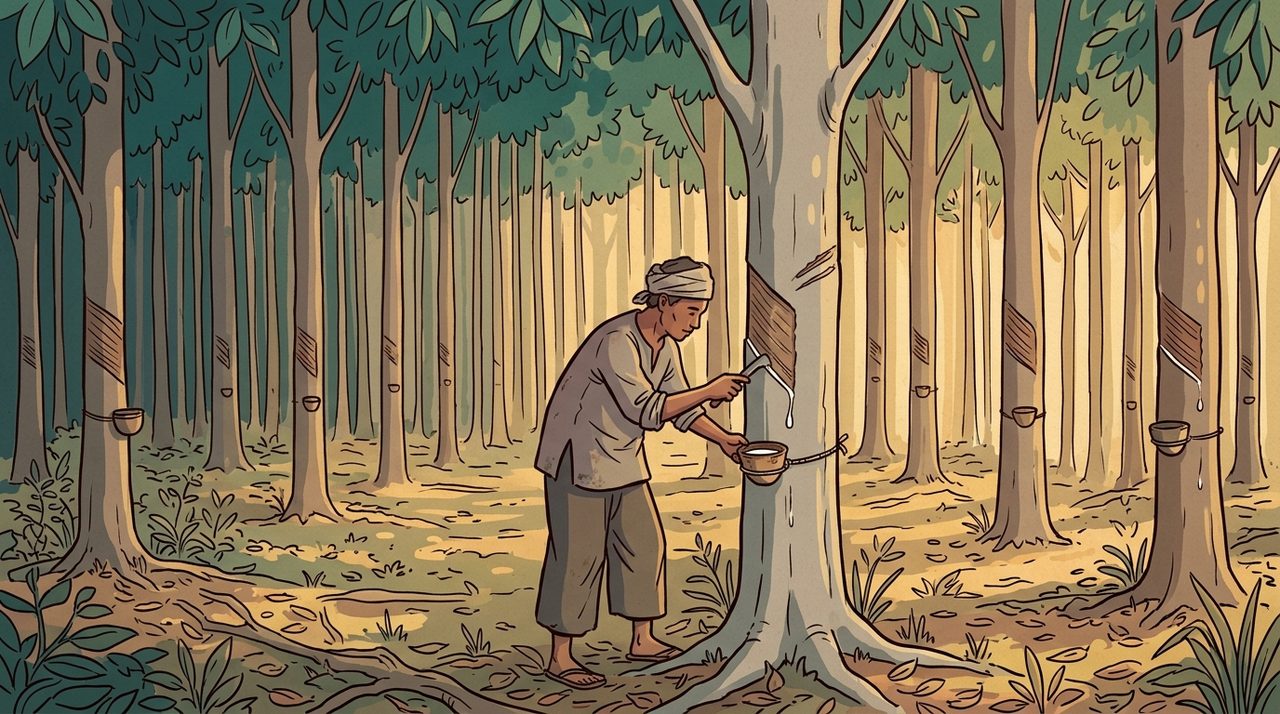
- The port in the middle: most of Malaya's tin and rubber passed through Singapore on its way to the world.
- New industries: Singapore earned money from smelting tin and selling rubber, not just from shipping them.
- Linkage: the modernised port handled the extra cargo, and the railway and Causeway brought it in from Malaya.
- Growing dependence: Singapore's wealth now relied on American demand for tin and rubber, a risk the Great Depression would expose.
In One Sentence
- World demand for cans and car tyres turned Malaya into a tin and rubber giant, and Singapore grew rich as the port that smelted, sold and exported it all, but this made it dependent on world demand.
Think About It
- Singapore did not mine tin or grow much rubber itself. Why did the two booms still make it richer?
- Both booms depended on what America wanted to buy. What could go wrong with that?
- Henry Ridley was nicknamed "Mad Ridley" for telling everyone to grow rubber. Why do you think people doubted him at first?